Why are we always told that our first solo trip after 60 has to be “safe”? Of course safety matters, but it isn’t an itinerary. If you’re ready to ditch the “beige” option and plan a memorable trip after a long break, I’ve simplified the process to help you choose a destination that genuinely excites you.
Affiliate Disclosure: Some of the links on this page are affiliate links. This means I may receive a small commission (at no further expense to you) if you click through and make a purchase. Learn more.
How to Choose a Destination for Your First Solo Trip After 60
There comes a moment when the itch to travel alone returns — sometimes quietly, sometimes with the force of a long-awaited invitation. You might be staring at a map, scrolling through flights at midnight, or reading about a place that makes your pulse jump.
Then comes the “big” question: “Where do I go first?”
The conventional wisdom is usually to choose somewhere “safe” and familiar. There’s nothing wrong with that — I’ve suggested it, too. But if you’re reading this, you likely want something more exciting than a “beige” location. You’re looking for a reminder that the world is still wide, and you are still very much capable of navigating it.
Start With Curiosity, Not Excessive Caution
When we decide to travel solo, we often paralyse ourselves with the “what-ifs”. We gravitate towards destinations that feel like a safety blanket.
But here’s the truth: Curiosity is a better travel companion than caution.
When I planned my first trip after a long hiatus, I didn’t choose a quiet town down the road. I chose Hong Kong. It was vibrant, a little “in your face”, and utterly magnetic. I wanted to see, so I went.
At first glance, Hong Kong might not seem the obvious choice for a “first trip back”. Yet it also had some advantages that make independent travel straightforward:
- It was practical: It was a direct flight from my home town, the public transport network was intuitive, and the signage was bilingual.
- It was manageable: I could explore one neighbourhood at a time — in my own time.
- It was empowering: I moved through busy restaurants with ease, while some friends who had travelled there often for work were the ones feeling intimidated. I was quite happy to hop on any train, bus, or ferry, or sit down on a plastic stool in a restaurant, sharing a table with twelve people I had never met.
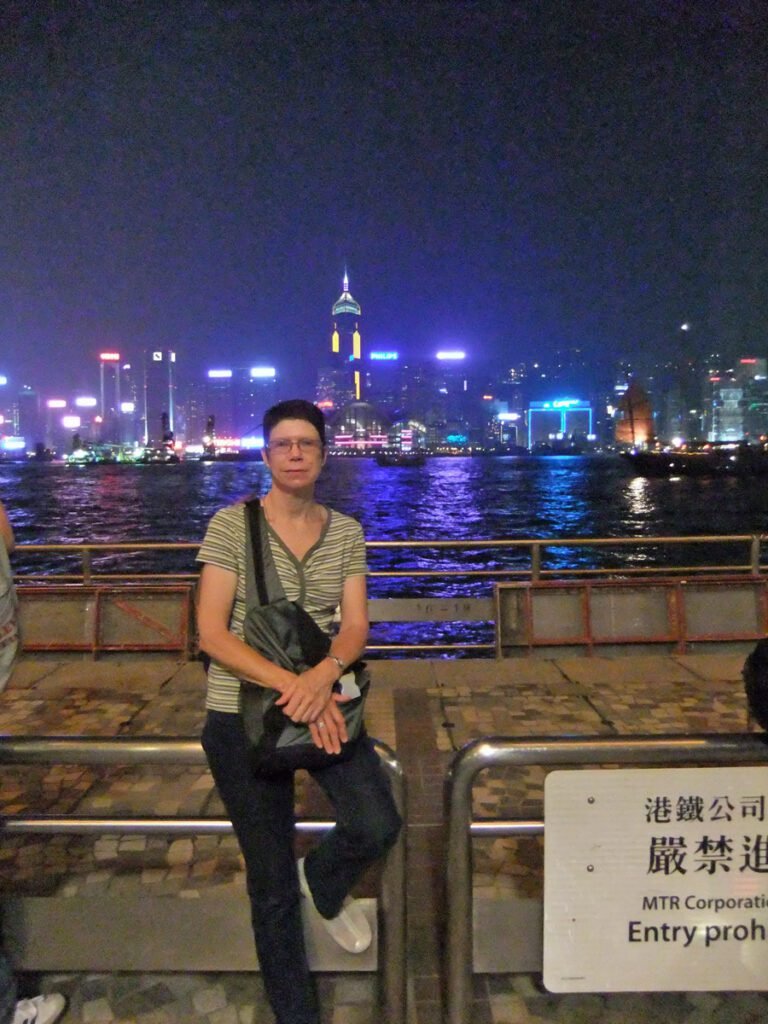
Confidence doesn’t necessarily come from choosing the “sensible” or “safe” option, no matter how often well-meaning friends suggest it. It comes from the willingness to figure things out as you go.
The Power of the Familiar (With a Twist)
If a new country feels like too much at first, you still don’t have to go for a “blank slate”. There is immense power in returning to a place you once knew.
Familiar places have a subtle advantage. You arrive with a sense of orientation that removes much of the initial uncertainty. You may remember the layout of the city, the vibe of its neighbourhoods, or small details like how the transport system operates.
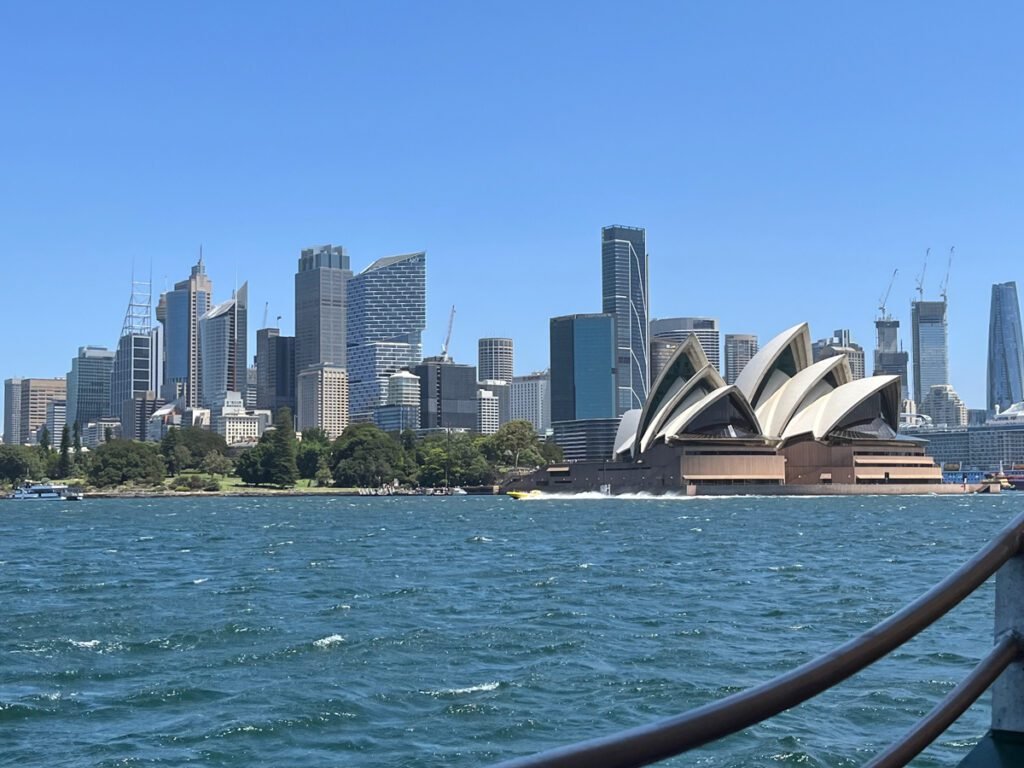
After Melbourne’s long Covid lockdowns, I decided to visit Sydney — my childhood home, which I hadn’t visited in 30 years. It was an unexpectedly rich experience. Retracing my steps as a music student at the Conservatorium and a professional musician at the Opera House was like seeing a new city through someone else’s eyes.
I wasn’t just “going home”; I was discovering how I had changed.
Logistics: Removing the Friction
Once you have a target, look for “low-friction” destinations. You want an adventure, not a logistical headache.
- Direct Access: Can you get there without four layovers? A direct flight or train ride removes the bulk of “arrival anxiety”.
- Arrival Connections: Don’t forget about connections on arrival. Most big cities offer coordinated transport to the city centre, usually by train or bus. Alternatively, pre-book a taxi or shuttle to your hotel. The less complicated the arrival, the easier it is to settle in and start exploring.
- Walkable Layouts: Cities with distinct neighbourhoods let you leave your hotel and explore on foot without constantly wrestling with maps or transit apps.
- The “Base Camp” Strategy: Pick a city that offers a range of accommodation options in a central, easy-to-reach area. Being close to the action beats a cheap hotel that requires a ninety-minute commute back at night.
Does it Match Your Rhythm
Most of us no longer travel the way we did at twenty-five, and we shouldn’t try to. Your destination should support your current energy levels, not fight them.
- City Energy: For travellers who enjoy movement, variety, and full days.
- Slower Settings: For travellers who prefer breathing room, scenery, and unhurried exploration.
If the environment forces you to constantly “push through”, you’ll be exhausted before you reach the museum. Choose a place that aligns with your preferred pace.
The Three-Question Filter
Still torn? If you have a shortlist, run them through these three questions:
- Does it spark genuine interest? If you aren’t excited, you’ll be more likely to give up when a logistical headache occurs.
- Is it logistically “kind”? Does it have a good public transport system and an easy-to-navigate centre?
- Does it match my pace? Will I feel at home here, or will I feel like I’m constantly chasing a schedule that isn’t mine?
The First Trip is Just the Reset Button
Years ago in Italy, I sat on a train, trying not to panic, wondering if I’d boarded the wrong one. I didn’t know the language, the rail station signs were unintelligible, and I was entirely alone. For a moment, I considered the potential catastrophe. Then, I realised: “If I end up in the wrong city, I’ll just spend the night there and find the correct destination in the morning.”
As it turned out, I wasn’t on the wrong train, but the lesson stuck:
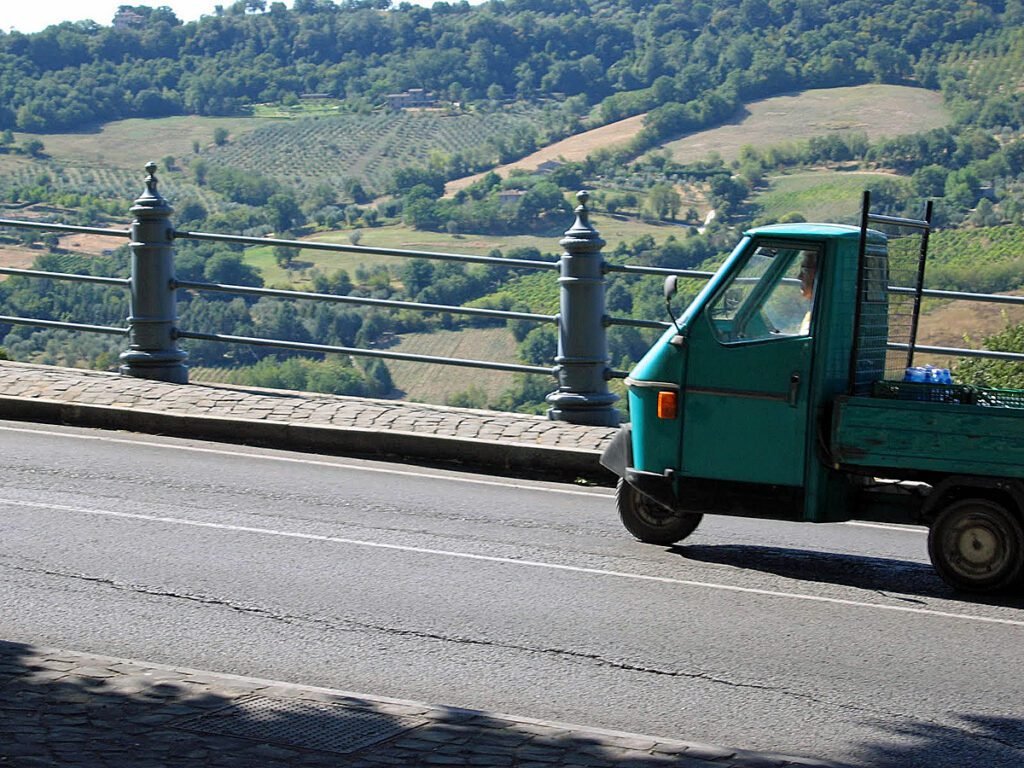
Travel doesn’t require perfect certainty. It just requires the willingness to adapt and keep moving.
If you’re still feeling hesitant about travelling alone again, you may find reassurance in my guide to how to return to solo travel after 60 with confidence.
Your first solo trip isn’t about proving you can make it alone; it’s about reawakening the version of you that loves to explore. The logistics will work themselves out. The confidence will return.
And the world? It’s waiting exactly where you left it.
While you’re narrowing down your destination and if Europe is among your plans, make sure to check the latest European travel rules for 2026 and beyond to see how they affect your entry.
Ready to Turn that Idea Into an Itinerary?
By now, you might have a clearer picture of where you want to go. But I know for many of us, the jump from “I think I’ll go there” to “I’ve booked the flight” is where self-doubt — and logistical overwhelm — tends to creep in.
You don’t have to figure out every logistical puzzle on your own. If you’re ready to start mapping out the details, here is how I can help you bridge that gap:
- The “Getting Started” Guide: If you’re still feeling jittery about the idea of independent travel, I’ve written a deeper guide on how to plan independent travel after 60 without feeling overwhelmed. It simplifies the process into easy steps. This way, you can build confidence without any stress.
- For the “Step-by-Step” Planner: If you prefer to plan logistically instead of trying to juggle everything at once, my Complete Travel Planner is designed to take you from that first spark of an idea all the way to your departure day. It’s the structured framework I wish I’d had for my first trip back.
- For the “Minimalist” Packer: Once you’ve settled on a destination and secured the bookings, the next question is always, “How do I fit my life into a single bag?”. You can grab my free, one-page carry-on packing checklist for independent travellers. It will make packing easier and keep your hands free for adventure.
A Final Thought
Wherever you decide to go first, remember that this journey isn’t about recreating how you travelled decades ago. It’s about discovering how you travel now — with the benefit of a lifetime of experience, perspective, and the freedom to choose exactly what suits you best.
Next Step…
I’d love to know where your mind is drifting to. If you had to pick one destination to start your new chapter of solo travel, where would it be? Tell me in the comments below — sometimes naming it is the first step in making it happen.
Related Posts
- Returning to Solo Travel After 60: How to Start Again With Confidence
- Independent Travel vs Group Tours: How to Decide What Suits You
- How to Plan Independent Travel After 60 (Without Feeling Overwhelmed)
- How to Plan a Solo Trip — Without Killing the Joy of Discovery
Leave a Reply