For many women, travelling in retirement on a budget can feel out of reach — something reserved for those with deep pockets. International travel is often seen as expensive, a luxury that quickly drains your savings. But here’s what seasoned travellers know: travelling on a budget doesn’t mean settling for less — it means travelling smarter.
When you’re no longer tethered to your 9-to-5, your greatest asset isn’t a massive bank account — it’s your flexibility. You have the time to travel more slowly, the freedom to choose high-value seasons, and the wisdom to prioritise authentic experiences over overpriced tourist traps.
This is the essence of slow travel — savouring the freedom of time, immersing yourself more deeply, spending less, and finding joy in your immediate surroundings.
Budget independent travel after 60 doesn’t mean sleeping in shared dorms or skipping the sights you’ve spent a lifetime dreaming about. Approach your travel planning with intentional prioritisation — choosing destinations where your currency goes further. Trade the frantic pace of a tour bus for the quiet joy of a seaside apartment in Portugal or the vibrant energy of a market in Vietnam.
And if your bucket list includes “expensive” destinations like Iceland or Norway? Don’t despair! I have strategies for those, too.
In this guide, we’ll explore how to navigate the world with confidence, proving that a fixed income doesn’t have to mean a fixed life.
Your greatest adventure isn’t behind you; it’s simply waiting for a savvy plan.
Once you realise that travel in retirement on a budget is still very much within reach, it naturally leads to the next question — how do you make it affordable in real life?
Contents
- Secret #1: How to Choose High-Value Destinations
- Secret #2: When to Travel for the Best Value
- Secret #3: Comfort Without Compromise: Smart Accommodation Choices
- Secret #4: Getting Around Without Overspending
- Secret #5: Eating Well When Travelling in Retirement on a Budget
- Secret #6: Safety and Health — Protecting Your Well-Being and Your Wallet
- Secret #7: How to Fund Your Dream Trip on a Budget
- On the Road: Applying the 7 Secrets
- Conclusion: Your Adventure Awaits
- Related Posts
Affiliate Disclosure: Some of the links on this page are affiliate links. This means I may receive a small commission (at no further expense to you) if you click through and make a purchase. Learn more.
Secret #1: How to Choose High-Value Destinations
One of the most effective ways to stretch your pension is to maximise your purchasing power through geographic arbitrage. Essentially, this is the practice of receiving your income in a strong currency and spending it in a country where your money has significantly more purchasing power.
By choosing a high-value destination, you can afford a private room with a view and fresh, healthy meals for much less than the price you’d pay at home.
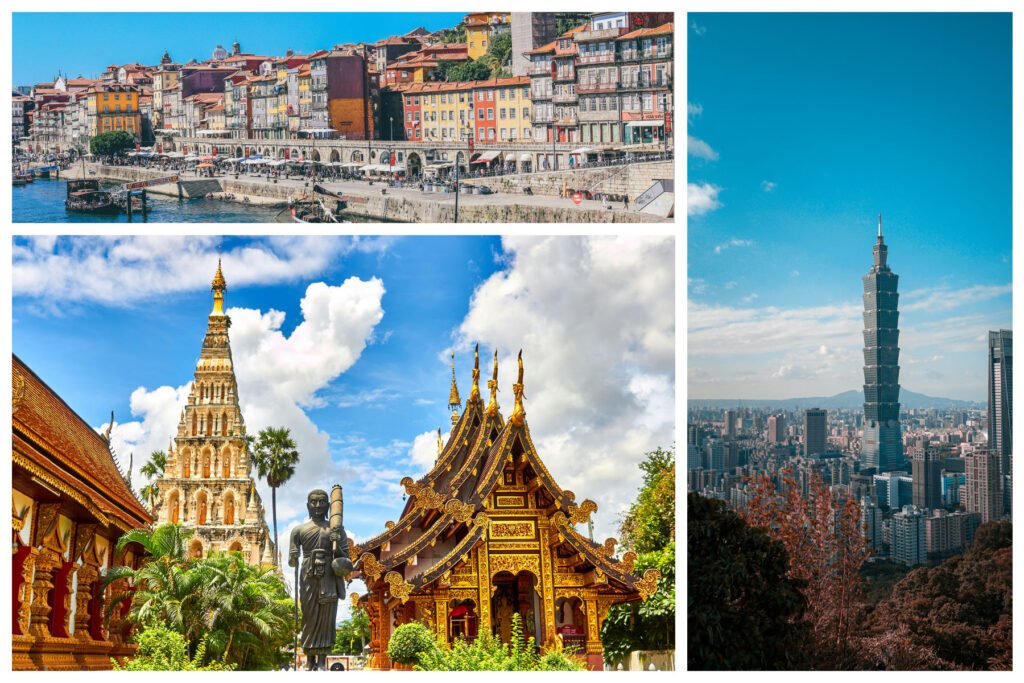
Top “Value” Destinations for Independent Seniors
- Vietnam and Laos: Consistently ranked among the safest and most affordable countries for solo women. With their fascinating ancient cultures, respect for elders, and incredible fresh food, the chaotic energy and charm of the cities contrast with the serene beauty of the countryside.
- Thailand: Ranked highly for accessibility, budget-friendliness, excellent accommodation, and safety. While trendy seaside resorts can be pricey, the northern regions offer higher quality at a fraction of the cost.
- Taiwan: Shhhh! 🤫 Taiwan is my favourite “secret” budget destination. It features world-class night markets, incredible safety, vibrant cities and gorgeous countryside, and a public transport network so efficient it puts many Western cities to shame.
- Portugal and Spain: If your heart is set on Europe, look beyond London, Paris, or Berlin. Portugal offers cobblestone charm and seaside towns with excellent senior discounts on public transport. Spain offers a warm climate, high walkability, and very low crime rates.
- Slovenia and Poland: These are European gems. Slovenia even offers free national bus and train rides for those over 65.
💡 Expert Travel Tip: Before booking, check sites like Numbeo or Budget Your Trip to compare the costs in your target city versus your home country. It’s a great way to see exactly how much freedom your budget will buy.
Secret #2: When to Travel for the Best Value
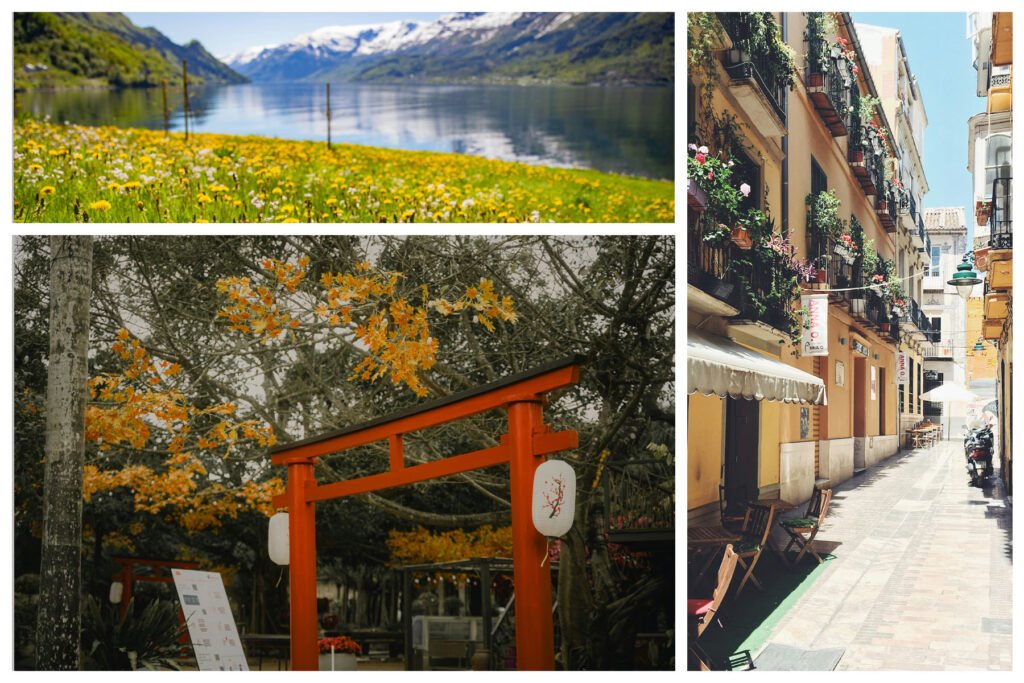
One of the most powerful secrets to travelling in retirement on a budget is mastering the shoulder season. This is the sweet spot — typically April-May and September-October — sitting perfectly between the heat and crowds of summer and the grey chill of winter.
This is where real savings — and real enjoyment — come in:
Seasonal Discounts
During the shoulder season months, airlines and hotels slash prices to fill seats and rooms. You can often book superior accommodation for the price of a standard room during peak seasons.
More Space, Fewer Crowds
Peak seasons are called “peak” for a reason — they’re the most popular, the most crowded, and the most expensive. If you want to enjoy fewer crowds and budget-friendly rates, the shoulder seasons are your friend.
A More Personal Experience
When a guesthouse or hotel isn’t at 100% capacity, hosts often have more time to chat, share their local insights, and ensure you’re comfortable. I’ve often been upgraded to a better room at no extra cost simply because I travelled during shoulder seasons.
Expert Travel Tip: Build in regular “rest” or “quiet” days. Not only do they protect your energy, but they’re naturally low-spend days where a simple walk or a local café with your book replaces paid attractions.
Secret #3: Comfort Without Compromise: Smart Accommodation Choices
For independent women over 60, the word “budget” should never mean sacrificing privacy, safety, or a good night’s sleep. You don’t need a luxury hotel; you do need the freedom of a well-located base.

Here’s what I prioritise:
- Locations with excellent public transport access.
- Booking ahead for the best prices. Or looking for last-minute deals.
- Utilising long-stay discounts (common with rentals such as Airbnb).
- Accommodation just outside major tourist hubs or in quiet residential areas with good transport links to the city are great for longer stays.
- Guesthouses, family-run properties, and short-term rentals with kitchenettes so you can prepare your own meals.
- Packing light and planning for occasional laundry. Many hotels offer coin-operated facilities, and a quick clothes wash saves on expensive “in house” laundry fees and excess baggage.
💡 For more about choosing accommodation, read my article, How to Choose Accommodation That Works: A Guide for Travel at 60+.
Secret #4: Getting Around Without Overspending
For a solo traveller, getting around is often the second-highest expense after accommodation. But much of this expense lies in your flight tickets. The further you have to go, the more it’s likely to cost. Book as far ahead as practical to secure the best rates.
For local travel, being over 60 is like holding a secret VIP pass in many parts of the world. By shifting your mindset away from expensive private transfers toward using local transport, you could save enough to fund an extra week of travel.
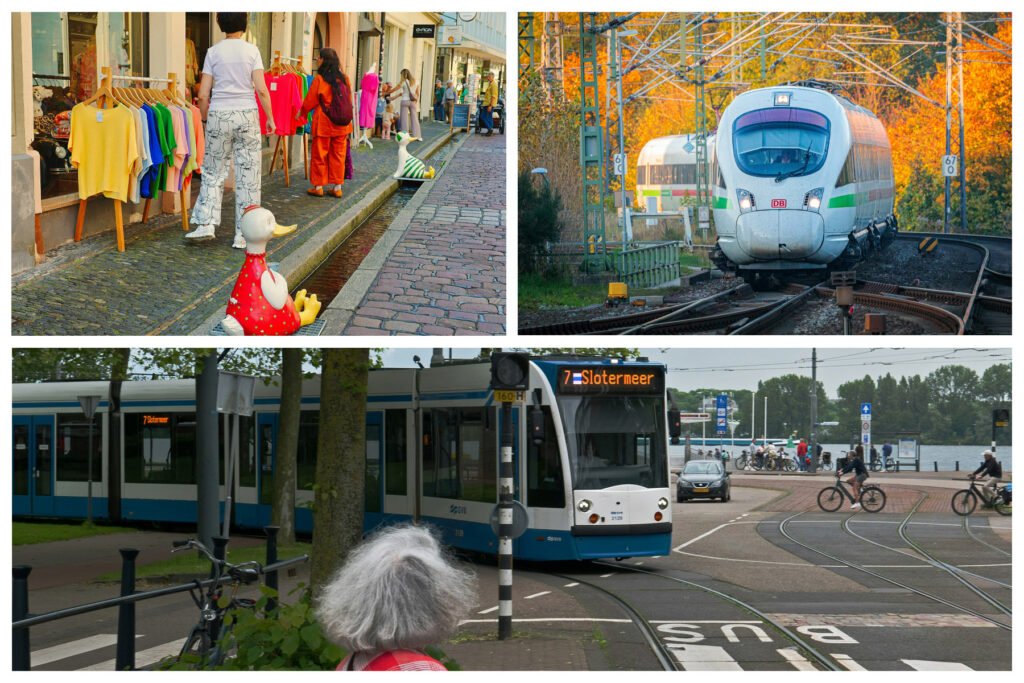
Here are some strategies to explore:
- Senior Railcards: Many countries offer substantial discounts to seniors. The UK Senior Railcard, Spain’s Tarjeta Dorada, and Interrail/Eurail Senior Pass offer excellent rates.
- Scandinavia & Nordic Regions: Even in expensive Scandinavia (Denmark, Sweden, Finland, Norway, etc.) seniors can enjoy excellent discounts on trains, trams, buses, and many ferries.
- Walkability: When researching, choose accommodation in highly walkable areas. Not only does this save on fares, but it’s the best way to stumble upon the hidden gems that make a trip memorable. (And perhaps it means you’ll feel less guilty about that extra pastry at morning tea! 😉 )
- Multi-Trip Tickets: Most major cities offer a dedicated multi-trip ticket for tourists, which often include entry to popular attractions.
- Local Apps: Download Google Maps or Citymapper — these provide real-time bus and train schedules, telling you exactly which stop to get off at so you never feel lost.
On arrival in a new city, I take a short “orientation walk” around the neighbourhood, locating the nearest transport stop, supermarket, and café. It’s a simple habit that saves both time and money for the rest of the trip.
💡 Expert Travel Safety Tip: In Southeast Asia, use apps like Grab rather than hailing taxis on the streets. The price is fixed upfront, the driver’s identity is tracked, and you don’t have to haggle over the fare.
Secret #5: Eating Well When Travelling in Retirement on a Budget
One of the greatest joys of travel is the food, but dining out three times a day is the fastest way to drain a fixed budget. Eating well while travelling is more about timing, strategy, and intentional compromise than deprivation. You can enjoy vibrant local flavours while keeping your finances firmly under control.
Street Food and Markets
In high-value destinations like Southeast Asia, the best food isn’t in the hotels — it’s on the street. From steaming wontons to aromatic curries, market stalls offer the freshest and most authentic flavours.
Expert Travel Tip: Always choose stalls with a high turnover of local customers. It’s the best guarantee of both quality and food hygiene. What to avoid:
- Fruit that has been cut open — purchase fruit with the skin or rind still on.
- Washed salads — anything washed using the local water supply may not be edible. This applies particularly in Asia. Most European and Scandinavian countries have safe drinking water.
Supermarket Savvy
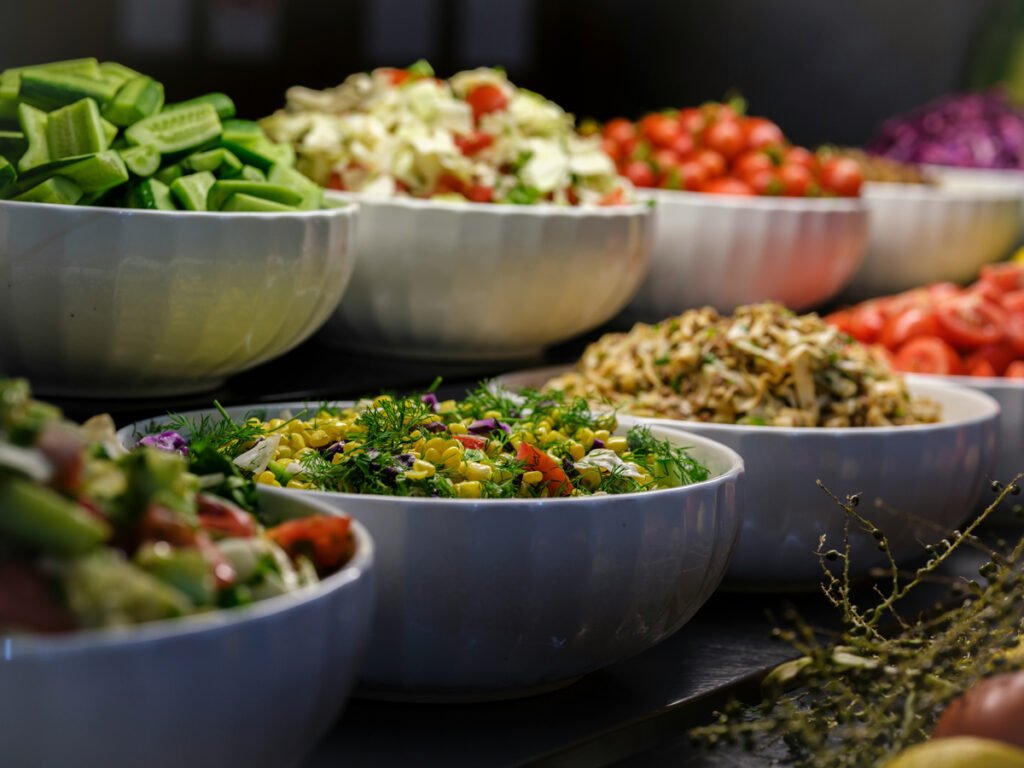
Beyond the usual pre-packed sandwiches, many supermarkets in Scandinavia and Europe offer incredible “pay-by-weight” salad bars. You can compile a bowl of fresh vegetables, legumes, pasta, rice, and cooked meats, paying only for what you need. It’s a healthy, low-cost alternative to a sit-down café.
The Midday Meal Strategy
In many parts of Europe and Latin America, the midday meal is the main event of the day. Look for the “menu of the day” — often a fixed-price, 3-course lunch designed for local workers. By making lunch your largest meal and opting for a light snack at night, you can enjoy substantial savings and restaurant-quality meals.
Strategic Hotel Breakfasts
I’m the first to admit that hotel breakfasts are usually pretty expensive. But if a hotel breakfast is included, or purchased, use it to its full potential. Enjoy a hearty meal to start your day, and consider taking a piece of fruit or roll for a mid-morning snack. When combined with a light supermarket lunch, this ensures you are well-fuelled for a day of exploring without constant spending.
The Self-Catering Strategy
I always prioritise hotel rooms that have a refrigerator and a kettle, where possible. This allows me to enjoy a quiet breakfast of cereal and fruit in my room before heading out.
If your accommodation also includes a microwave, pre-prepared frozen meals from a local supermarket can be a lifesaver on days when your energy is low and you want to avoid the expense of a restaurant.
My Nordic Super-Cheap Strategy
When travelling in notoriously expensive regions like Denmark, Iceland, or Norway, I pack a lightweight travel cutlery set and a small bowl or plate. This is my ultimate independence hack:
- Breakfast: A quick trip to the local supermarket for yoghurt, muesli, and fruit provides a nutritious start to the day from the comfort of my room.
- Lunch: A pre-packed sandwich or wrap and a piece of fruit enjoyed on a park bench offers a million-dollar view for mere pennies.
- Dinner: A simple bowl of noodles, or crackers with tuna, cheese and fruit makes for a nourishing evening meal.
While this might mean I’m not dining out in style every night, it’s a trade-off I gladly make. To me, a healthy, simple meal is the fuel that allows me to afford the extraordinary travel experiences that brought me to the destination in the first place. I’d always rather have a bowl of noodles in the Faroe Islands than a fancy steak at home!
This strategy is not about cutting corners — it’s about choosing where the experience matters most.
Secret #6: Safety and Health — Protecting Your Well-Being and Your Wallet
For independent women travelling in retirement on a budget, safety and health are the foundations of a successful adventure. When you’re on a fixed income, a medical emergency or a lost phone can be a significant financial blow.
The goal is to be proactively prepared so that minor hiccups don’t become major expenses.
Travel Insurance: The Non-Negotiable Expense
While it may seem like a high upfront cost, travel insurance is actually your most important budget-saving tool. A single night in an international hospital can cost more than your entire trip. When choosing a policy, don’t just look at the price; read the fine print.
- Pre-existing conditions: Ensure these are both declared and covered.
- Medical evacuation: Essential for peace of mind in remote areas.
- Age-specific inclusions: Check that the policy doesn’t have restrictive “age ceilings” that limit your cover.
- Activity-specific cover: If you plan on taking a cruise or engaging in any adventurous activities, ensure these are explicitly included.
This is exactly the kind of detail that’s easy to overlook when you’re planning a trip. I keep everything organised in one place using a simple system. If you’d like a copy, you can download my free Travel Readiness Toolkit, which walks you through insurance, medical essentials, and the key details to have sorted before you leave home.
Staying Connected for Less
Safety is directly tied to your ability to use a map, call a ride-share, or contact home. Roaming fees from your home mobile phone provider are usually “budget-killers”.
- eSIMs (e.g. Airalo, Holafly): If you have a recent smartphone, an eSIM is a game-changer. They’re inexpensive, easy to install, and provide instant data for GPS, messaging, email, and browser access. This digital independence is one of your greatest safety assets on the road.
Solo Savvy Safety Habits
Common sense is your best travel companion. Being observant allows you to navigate even the most chaotic cities with confidence.
- Arrive in daylight: I always try to plan my flights or trains to arrive during daylight hours. Not only is it easier to navigate local transport when you can see your surroundings, but it also saves you from the expense of a late-night taxi transfer.
- Strategic money management: I use a multi-currency debit card (e.g. Wise or Revolut) for most transactions, keeping only a small amount of local cash for markets and small purchases. Always choose to pay in the local currency to avoid hidden conversion fees.
- Crucially, I separate my cards. I keep my multi-currency card in my wallet and my others tucked away safely in another bag. If my bag is lost or stolen, my entire life savings remain untouchable.
- Pickpockets: In cities known for petty crime, like Rome or Paris, stay vigilant but calm. Avoid the “distraction” techniques often used by skilled pickpockets and keep your belongings secure and close to your body.
Managing Health on the Road
- Medications: Always take enough medication to last at least a week longer than your trip, kept in the original packaging. I also carry a copy of any prescriptions with the generic (chemical) names of the drugs, which is far more helpful to a foreign pharmacist than a brand name.
- Over-the-counter meds: While many destinations sell common over-the-counter medications, it’s not wise to rely on finding exactly what you need in a foreign country.
💡 Expert Travel Health Tip: Deep Vein Thrombosis (DVT) is a risk for seniors on long-haul flights. Invest in a good pair of compression socks and stay hydrated. It’s a small investment that helps prevent a very expensive medical complication.
Auto Amazon Links: No products found.
Secret #7: How to Fund Your Dream Trip on a Budget
Many people believe that travelling in retirement on a budget means crossing expensive destinations off your bucket list forever. I am living proof that this is not true. Despite living on a modest pension, I have recently travelled from Australia to faraway destinations like Finland, Denmark, Iceland, and the Faroe Islands — all notoriously expensive countries for travellers.
You certainly don’t need a “sugar daddy” or secret inheritance to see the world; you just need the freedom of knowing you have “enough”.
This isn’t about deprivation. It’s about deliberate prioritisation. It’s the Finnish “sisu” in me — that bit of grit and determination that says I can manage anything if I have a plan.
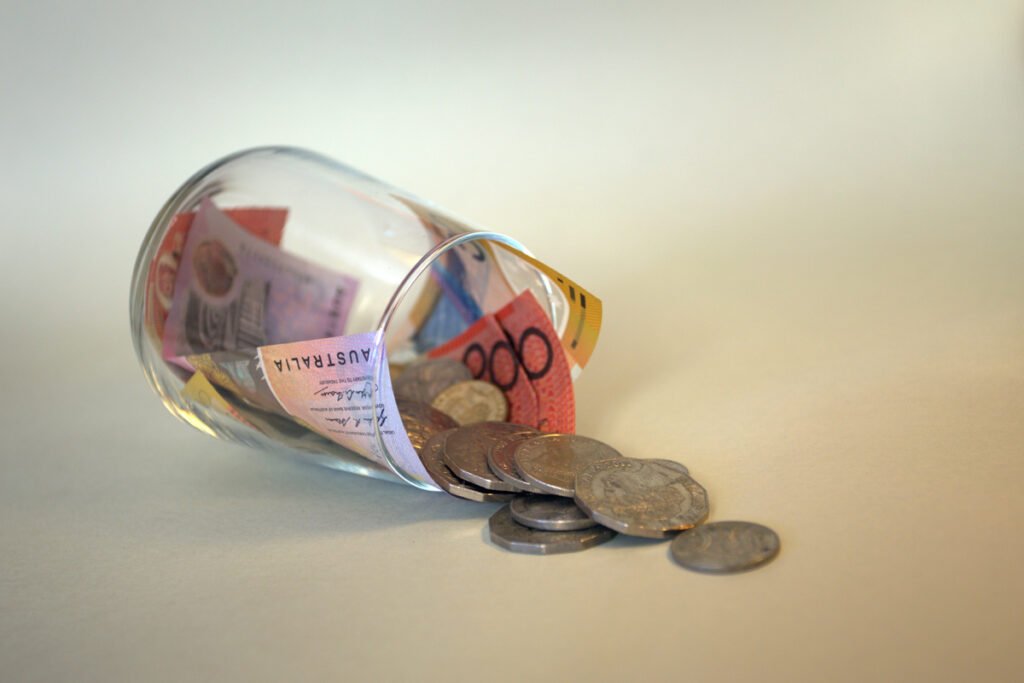
Here’s how I fund the high cost dreams without a cent of debt:
The “Target First” Calculation
Don’t save aimlessly. I choose my destination a year or more in advance and calculate a realistic cost for the trip. Having a concrete number turns a vague dream into a mission.
The Discretionary Freeze
Once I have my target, I prioritise my “needs” over my “wants”. I like the occasional treat just like anyone else. But when saving for a dream trip, I’m happy to put off personal discretionary expenses — new clothes, dining out, or home gadgets — for a year. To me, a coffee and biscuit at home is a small sacrifice when traded for the total autonomy of watching a sunset over a Faroe Island fjord.
I’m not missing out on new things. I’m buying moments and memories that will never depreciate.
The Pre-Paid Strategy
To eliminate any financial shock, I pay for the big three — flights, accommodation, and travel insurance — months in advance, securing the best rates possible.
But I don’t stop there. I also calculate approximately how much spending money I’ll need, and I save that up before leaving home. This means my regular pension can continue to land in my home bank account as usual, ready to cover my rates or electricity bills while I’m away.
By the time I land in Helsinki, Copenhagen, or Tokyo, the big bills are settled and my “pocket money” is already in hand.
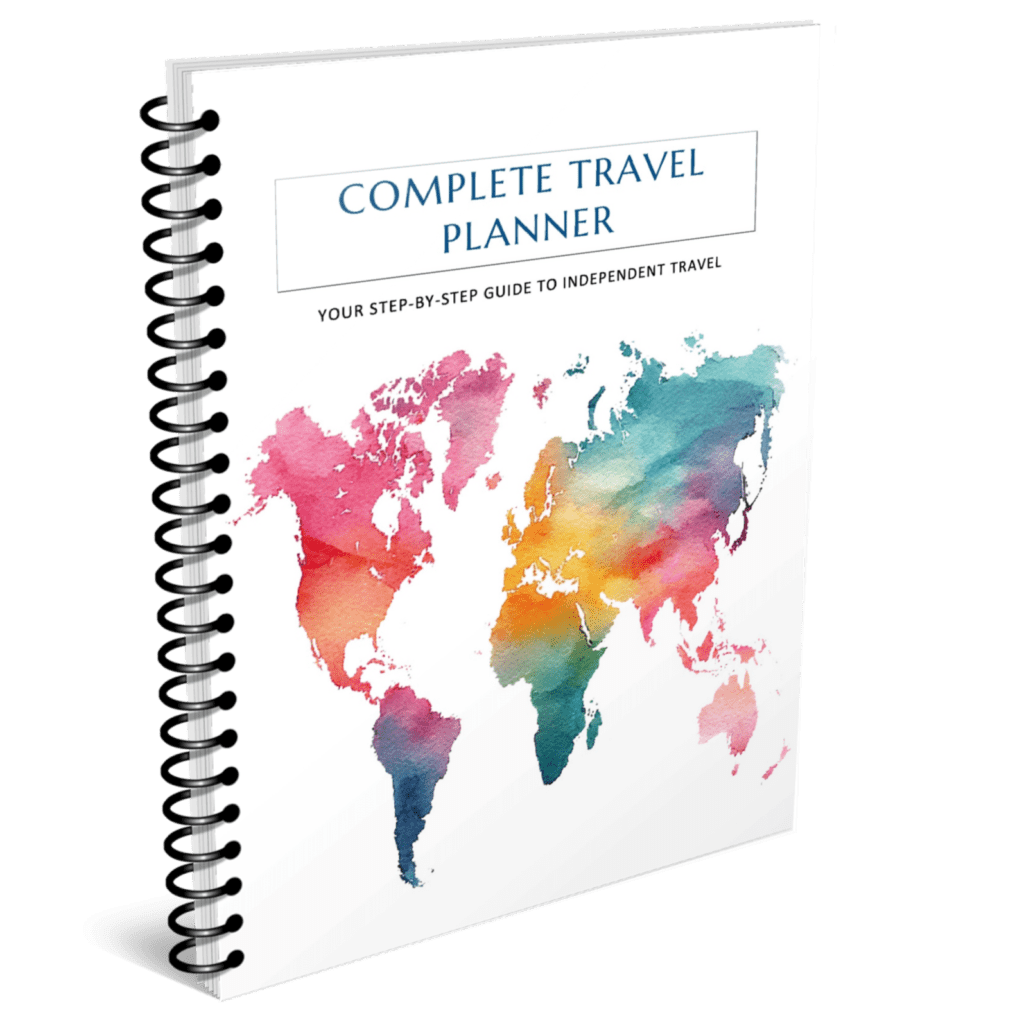
💡 If you like to have all the details of your trip organised in one place, my Complete Travel Planner guides you through every step of the planning process.
From Mapping out costs to tracking bookings and keeping all your travel details at your fingertips, this downloadable PDF takes the stress out of managing the moving parts so you can focus on the experience.
The “Now or Never” Investment
Remind yourself that “it’s never too late, until it is”. Prioritising your bucket list while you’re active and mobile is the best investment you can make. You won’t remember the “stuff” you bought five years from now, but you will remember the feeling of standing alone in the Icelandic wind, totally free.
On the Road: Applying the 7 Secrets
Before I leave home, I often choose one or two experiences that truly matter to me — a guided day tour, a special meal, or a unique excursion. I happily spend on those, and then balance everything else around them.
Once I’m on the ground, I don’t stop budgeting, but I also don’t obsess. I simply switch to “active management” and awareness.
Treat these 7 secret strategies as your daily toolkit for independence.
- The Daily Reflection: Keep a simple tally. If you splurge on a guided tour or a special lunch, balance it out with a simple market-sourced picnic for dinner. Simply remaining aware of where your money is going is peace of mind and the knowledge that you’re in full control of your resources.
- Leverage Every Senior Edge: Never pay full price for transport or entry to attractions if a Senior Card or discount is available. Many countries offer generous discounts to seniors on public transport and attractions. It never hurts to ask — the worst they can say is “no”.
- Managing Mealtimes: Seek out street food stalls and local markets not just to save, but because the food is more authentic. I suppose it’s the “itinerant musician” in me — I’d always rather have a real experience than a fancy tablecloth.
- The Autonomy Buffer: It’s a good idea to always travel with a small “just in case” financial buffer. As a solo traveller, this is your security blanket. It’s the comfort of knowing that even if things go sideways, you have the resources to handle it.
- The Pension Balance: By applying the freedom of knowing you have “enough” every day, you ensure that even modest travel savings will cover your needs — even in the world’s most expensive cities. When I finally take off, my pension is sitting safely at home covering my base, meaning I can relax, enjoy the trip, and see more without a single moment of financial stress.
I’m not just “getting by” on a pension; I’m mastering it to live a life that is rich in experience and anchored in security.
Conclusion: Your Adventure Awaits

The world doesn’t shrink just because you’re on a fixed income. It simply requires a more intentional approach to discovery . Travelling in retirement on a budget is not about how much you spend, but how much you see, feel, and learn.
By choosing destinations where your money stretches further, and making smart choices on the road, you can turn a modest budget into a wealth of experiences.
Remember, the goal of this “second act” of life is freedom. You have the freedom to skip the overpriced tourist traps, the freedom to enjoy an ice cream on a sunny beach, and the freedom to prove that adventure has no “use-by” date.
Your passport doesn’t care about the size of your bank account — it only cares about where you’re going next.
Related Posts
- How to Choose Accommodation That Works: A Guide for Travel at 60+
- Your First Solo Trip After 60: Choosing a Destination
- What to Book First When Planning a Trip: A Logical Guide
Leave a Reply