There was a time when travelling alone felt straightforward. You chose a destination, booked the ticket, and went. It didn’t require much deliberation.
Then life expanded to fill the years.
Work demanded more. Family responsibilities took precedence. Health, finances, or relationships shifted. Travel quietly moved down the priority list — not because it stopped mattering, but because other things needed attention first.
Now, perhaps unexpectedly, the idea of returning to solo travel after 60 has resurfaced. And with it comes a subtle hesitation. Not dramatic fear — just a quieter question in the background: “Can I still do this the way I use to?” or “What will people think?”.
Before you start researching flights or sketching itineraries, it’s worth assessing that question properly.
Affiliate Disclosure: Some of the links on this page are affiliate links. This means I may receive a small commission (at no further expense to you) if you click through and make a purchase. Learn more.
You Haven’t Lost Your Skills; You’ve Refined Them
It’s tempting to interpret a long break from travel as a loss of skill, as if your confidence were a muscle that withered from disuse. But your ability to navigate the world doesn’t simply vanish; it evolves.
The years you spent away were not years of stagnation. They were years of managing complexity, navigating uncertainty, and sharpening your judgement. Whether you were juggling a career, managing a household, or facing big life challenges, you were honing the very skills required for travel: problem-solving, resilience, and the ability to read people and situations.
You aren’t “starting over”; you are bringing a lifetime of accumulated wisdom to the arrivals hall.
Compared to the complex responsibilities you’ve handled in your daily life, the logistics of a train ticket, a hotel check-in, or locating a bus stop in a foreign city are well within your reach.
You have the competence to handle the world. Now, we need to talk about the freedom to enjoy it on your own terms.
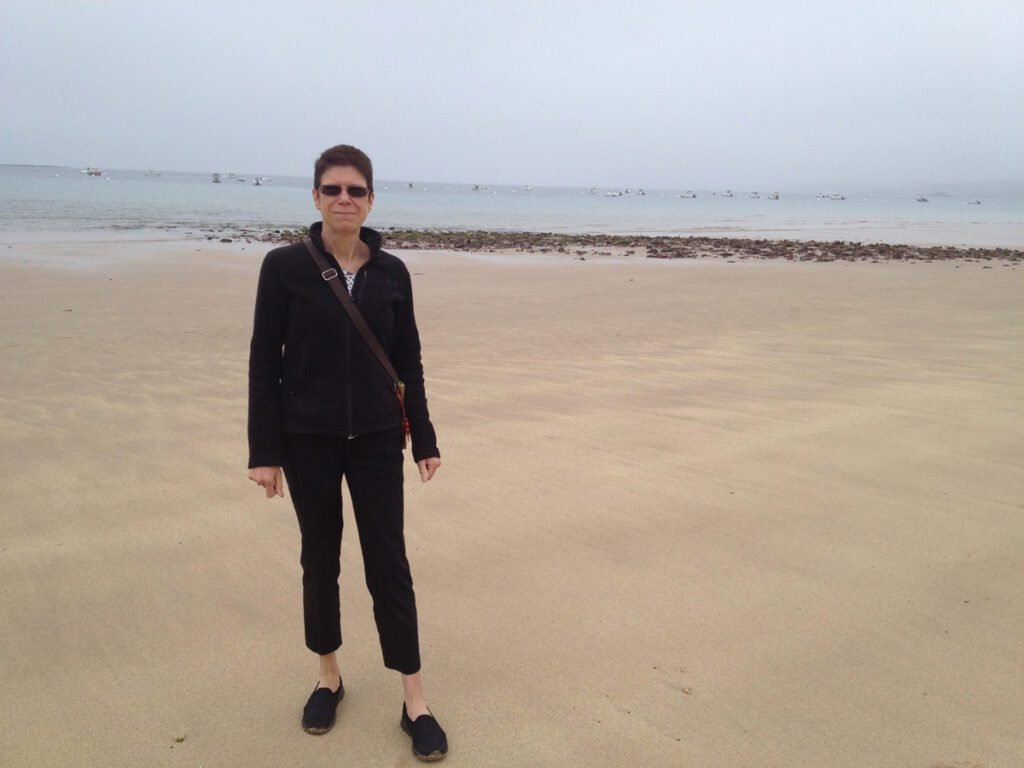
Navigating the Moments of Doubt
If you’re honest, the hesitation you feel isn’t really about the mechanics of booking a flight or finding a hotel. It’s that quieter, nagging voice that pops up when you imagine exploring a new city alone, wondering if you can still manage the way you once did.
These doubts rarely shout; they murmur while you’re scrolling through travel blogs, sounding incredibly practical and sensible.
It’s easy to look at a world that has become more digital and fast-paced than it was years ago and assume your own adaptability has dimmed.
It’s important to remember that this is a biological response rather than a personal failure. When we take a break from something for a while, the brain begins to see it as “unfamiliar territory”. This makes us want to slow down and evaluate.
Rather than viewing this as a sign of incapacity, try to see it for what it is: a healthy, protective instinct. You are more aware of the variables now that you were at twenty-five, which means you have more information to process.
Even for the most seasoned travellers, arriving in a new place can feel unsettling. It can catch you off guard at first. Airports are noisy and sprawling, the signs may be in a new language, and for that first hour, you might feel a bit lost. It’s only human to feel a twinge of isolation.
But that brief, initial discomfort is completely normal. It doesn’t mean you’ve made a mistake or that you aren’t capable; it just means you are adjusting to a new environment.
When you see these moments of doubt as temporary checkpoints, not stop signs, you’ll find it easier to move through them.
Starting Small: Rebuilding the Muscle
Confidence rarely returns through just thinking about travel; it returns through the simple act of “doing”. But your return to solo travel after 60 doesn’t have to mean a stressful long-haul flight or a packed multi-city itinerary. In fact, beginning with something manageable is often the smartest, most effective way to remind yourself of how capable you actually are.
If you’re feeling a bit rusty, consider these low-stakes ways to get your “travel feet” back under you:
- The Local “Taster”: Spend a long weekend in a nearby city or a destination you can reach by a simple train ride. The goal here is to practice the “process” of travel — checking into a hotel, managing your luggage on a train, or finding a restaurant. This way, you won’t feel the added pressure of language barriers or extreme time zones.
- The Day Trip: If a weekend feels too big, start with a solo day trip to an unfamiliar town. Travel by bus or train and spend the day walking, exploring, and choosing your own lunch. You’ll be surprised at how fast you regain that old rhythm of making travel decisions independently.
- The Hybrid Approach: If you want a week away with group support but still enjoy some independence, consider small-group excursions or guided walking tours during the day. Then, you can unwind in the comfort of your hotel room at night. This gives you the best of both worlds: company when you want it, and independence when you don’t.
These smaller experiences serve a vital purpose. They’re not about proving yourself; they’re about showing you still know how to make confident choices on the road. By the time you consider a longer, more ambitious trip, you won’t be wondering if you can travel alone — you’ll already have the proof in your pocket.
If you’re weighing up how much independence you want on a trip, my article on Independent Travel vs Group Tours: How to Decide What Suits You might help.
Finding the Spark Again
After my father passed away too soon, my mother found herself at a crossroads. She had been a stay-at-home mum for twenty years, and suddenly she was left to navigate a world that felt entirely new, with two teenagers to support and very little to fall back on. She was resilient — she went out and secured a job — but the confidence she’d once held seemed to have evaporated in the wake of her loss.
My brother and I knew that, deep down, the spark was still there. After all, this was the same woman who, at just nineteen, had left war-torn England in 1945 to travel to the other side of the world — Australia — with no real knowledge of what she’d face when she arrived. She had been an adventurer, but time and responsibility had quieted that voice.
We eventually convinced her to take a short, solo holiday. To our surprise, she chose the rugged desert interior of Central Australia. This was a woman who despised the heat and had no particular fondness for large animals, yet there she was, trekking through the desert on a camel.
That short, slightly uncomfortable trip did exactly what we hoped: it reminded her of who she was. It rekindled a dormant passion, leading her to eventually embark on even longer, more ambitious overseas journeys.
She didn’t need to be the nineteen-year-old girl she once was; she just needed to prove to herself that the traveller was still in there, waiting for the right moment to step out the door.
When you’re ready to take the next step, you might find it helpful to read my guide on how to plan independent travel after 60 (without feeling overwhelmed).
Choosing for Yourself (Again)
Having the skills to navigate the world is one thing; having the permission to prioritise your own desires is another.
For many women, the years away from travel were rich with experiences. You became remarkably skilled at accommodating, organising, and anticipating what everyone else required. What can quietly recede in that process is the habit of choosing purely for yourself.
Solo travel after 60 brings that habit back into focus. When you are on the road alone, every small decision — where to stay, what to eat, how far to walk, which train to catch — belongs entirely to you. You may even find yourself catching a flicker of hesitation, wondering if your choices are “reasonable”, as if someone must approve your plans. If you feel that pull, recognise it as a habit formed over decades of prioritising others.
The beauty of this stage of life is that you understand better what suits you. You know the pace that leaves you energised rather than exhausted.
Solo travel often shifts focus away from ticking off destinations and toward choosing what genuinely suits you. When that shift happens, travel stops being a performance and becomes an expression of who you are today.
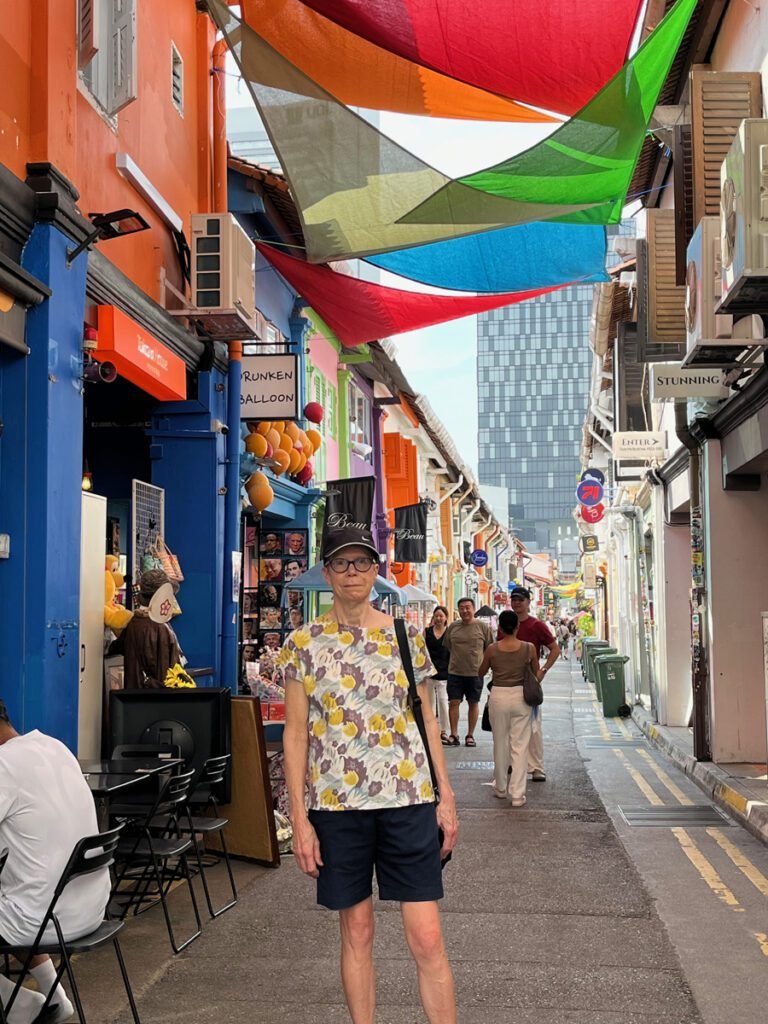
Planning Your First Trip Back
When you’re ready to turn your decision into a plan, use this checklist to keep the process manageable. The goal here is ease, not perfection.
- Choose a Soft Landing: Pick a destination where things feel easy. This could be a place with a familiar language or culture, or somewhere you’ve been before.
- The 2-3 Day Rule: Try a two- or three-day trip to reconnect with travel. Enjoy the experience without the fatigue of a longer journey.
- Simplify Logistics: Prioritise direct routes and pre-book your arrival transport so you have a known destination for your first night.
- Establish a Safety Net: Share your itinerary with a friend or family and keep a paper copy of your hotel’s address in your bag.
- Grant Yourself Permission to Pivot: If you get there and want to skip the museum to sit in a park, do it. You are the only person who needs to be happy with the itinerary.
Beginning Again
Returning to solo travel after a long break doesn’t require a grand, cinematic gesture. It starts more quietly: by deciding to stop thinking your best days for discovery are over.
You may find that you don’t travel the way you did at thirty, and that is exactly the point. Your pace may be slower, your accommodation choices more focused on comfort, and your itinerary less rushed.
But none of these are signs of retreat.
They are the marks of experience.
You know your energy and respect your limits, and you are no longer swayed by the pressure to “see it all” at the expense of actually enjoying yourself.
Beginning again isn’t about starting from scratch; it’s about starting over from a place of depth. When you sit down to plan that first trip, you aren’t trying to recreate the younger version of yourself. You are travelling as you are now: with a clear head, a curious heart, and the confidence of knowing who you are and what you value.
That version of you — the one who has lived, learned, and evolved — is the most capable traveller you have ever been.
Now it’s time to see where she goes next.
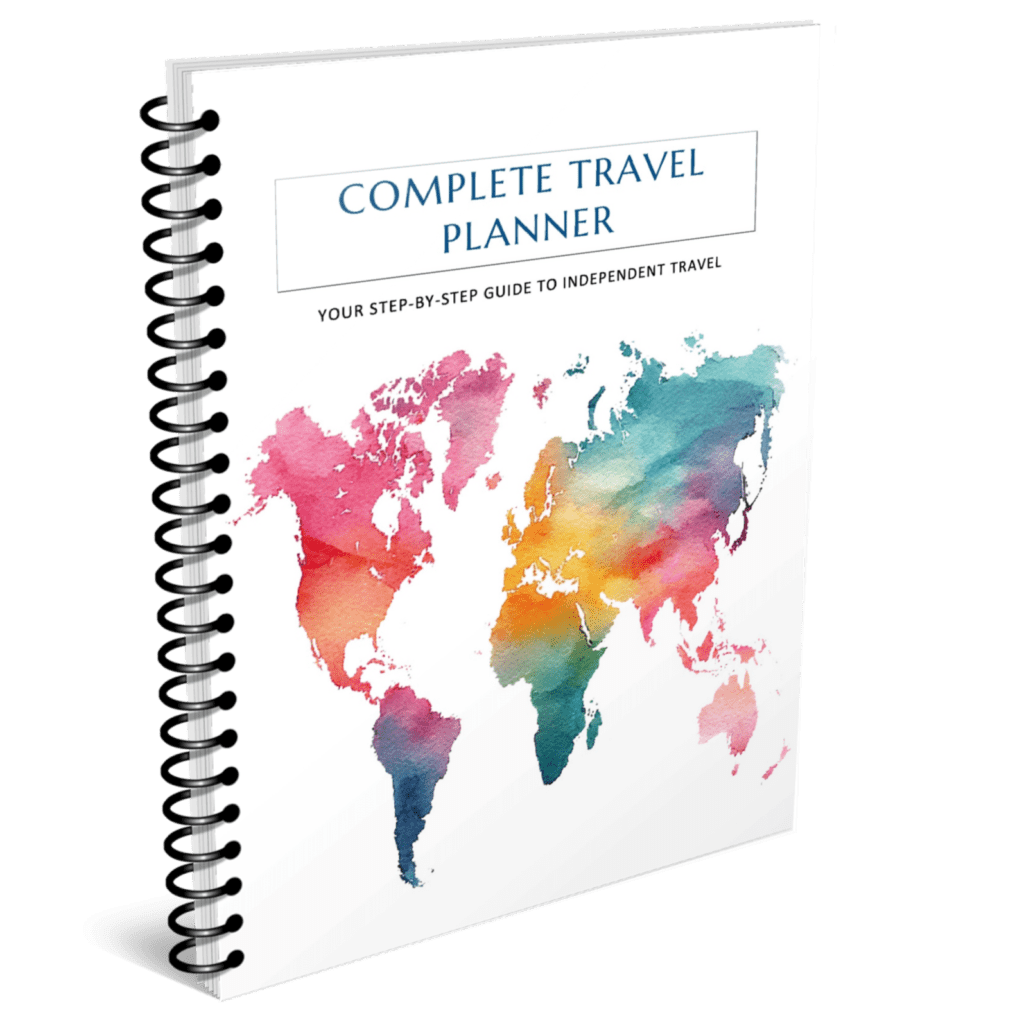
If you’d like a structured outline for planning your next solo trip, my Complete Travel Planner is a comprehensive workbook designed to guide you step-by-step from first ideas to departure day.
With this guide, you won’t overlook any important details.
Related Posts
- How to Plan Independent Travel After 60 (Without Feeling Overwhelmed)
- Top 5 Solo Travel Planning Mistakes — and How to Avoid Them
- How to Plan a Solo Trip — Without Killing the Joy of Discovery
Leave a Reply