At some point when you’ve reached midlife or beyond, travel decisions seem to attract opinions.
- “You might find a tour easier.”
- “Isn’t it safer to go with a group?”
- “Wouldn’t something organised be more sensible?”
But the real question isn’t what’s easier.
It’s what suits you.
Independent travel and group tours aren’t opposites or mutually exclusive. They’re different structures. And choosing between them has less to do with age and more to do with temperament, energy, and how much control you want over your own experience.
Let’s look at it clearly.
- What Independent Travel Actually Means
- What Group Tours Offer, Beyond the Brochure
- Control vs Convenience
- The Cost Question (It's Not a Small Detail)
- Energy and Pacing Matter More Now
- The Hybrid Approach (Often the Most Sensible)
- Questions to Ask Yourself
- If You're Leaning Toward Independent Travel
- Summing Up: Independent Travel vs Group Tours
- Related Blog Posts
Affiliate Disclosure: Some of the links on this page are affiliate links. This means I may receive a small commission (at no further expense to you) if you click through and make a purchase. Learn more.
What Independent Travel Actually Means
It’s a common misconception that independent travel lacks structure or you’ll always be on your own. In reality, it simply means you’re the architect of your own itinerary.
You choose the destination, book the flights, select the accommodation, the activities, and shape the pace of your days. If you want a museum in the morning and nothing at all in the afternoon, that’s your call. If you decide to stay an extra night somewhere unexpected, you can (subject to any accommodation bookings already locked in).
You might want to join a local walking tour, book a cooking class, or take a small-group excursion for the day. The difference is that these are additions — not obligations.
At its core, independent travel is about having the final say.
Making It Work — My Way
On a recent trip to the Faroe Islands, I organised my own flights, sea crossing, and accommodation well in advance. Exploring Tórshavn and taking the short ferry ride across to nearby Nólsoy Island was easy to manage independently. But reaching the more remote parts of the islands required either hiring a car or joining organised day tours.
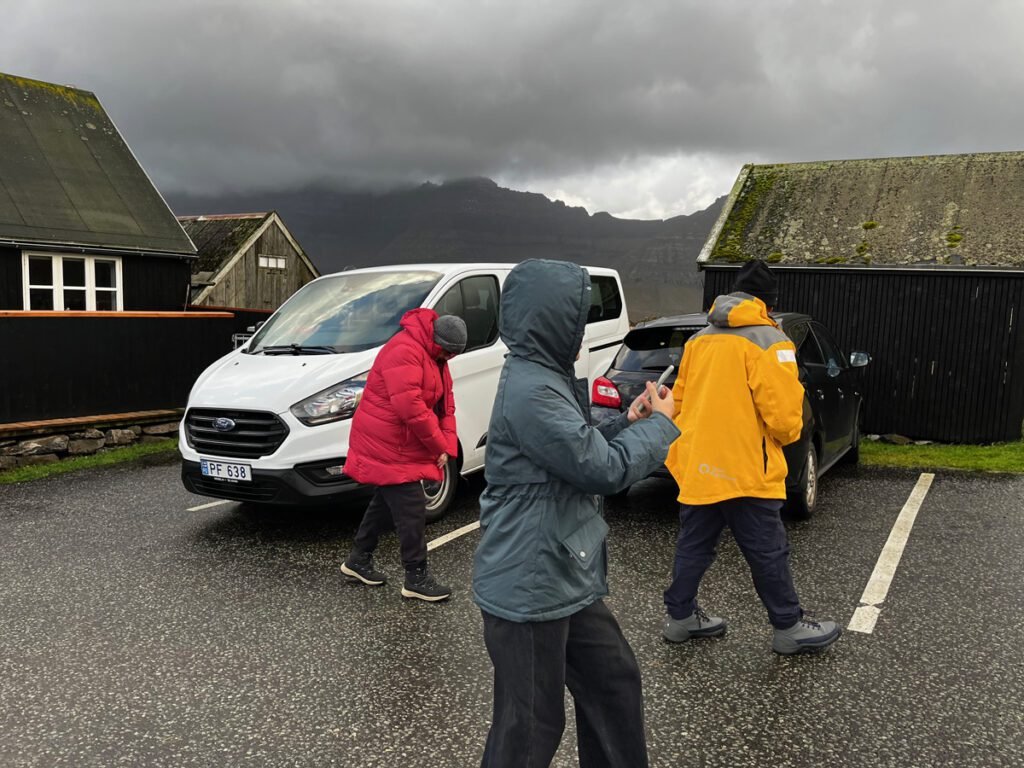
I chose small-group tours — just three other travellers and a local guide — and they proved to be the most practical (and fascinating) way to access those areas.
Independent travel didn’t mean doing everything alone; it meant choosing when to bring in support.
What Group Tours Offer, Beyond the Brochure
Group tours are often presented as the “easy” option later in life. In reality, they simply offer a different kind of structure.
The itinerary is fixed. Accommodation, transport, and some meals are arranged. There is a tour leader. There is “company” built in. You can engage with the other tour members as you wish.
For some women, this removes decision fatigue. The mental load is lighter because someone else has already mapped the route.
For others, the fixed schedule feels constraining. Early starts, timed stops, and a pace set for the average traveller can feel tiring, particularly if your energy fluctuates or you prefer slower mornings.
Neither response is wrong. It’s simply a matter of preference.
Two Very Different Experiences
Some years ago in Italy, I spent ten days travelling independently before joining a pre-booked two-week coach tour that covered much of the country. It was certainly convenient — transport arranged, accommodation handled, daily destinations decided. We did see a lot, but the tight turnarounds and large crowd made the experience feel more managed than I prefer.
On one occasion, an “optional” excursion (at additional cost) was scheduled to a town I had already visited. Because I was the only person who chose not to go, I couldn’t simply stay behind. The structure of the tour left no room for individual choice, so I paid and went along.
By contrast, on a trip to Bali, I joined a small minibus and cycling tour with just six travellers and our guide. Although the route was curated, there was generous free time built in, I travelled with a mix of interesting people from around the world, and the small group size made a significant difference. The experience was guided enough to feel easy and relaxed, but open enough to feel like your own trip.

The lesson wasn’t that group tours are good or bad. It was that size, pace, and design matter enormously.
Control vs Convenience
The real divide between going solo and joining a tour is who holds the remote. It’s a choice between following someone else’s vision and creating your own.
With independent travel, you control your accommodation standard, your rest days, your dining choices, and how much you fit into a single afternoon.
With a group tour, convenience replaces control. The planning is done for you — but so are many of the decisions.
After 60, this becomes less about capability and more about alignment. Do you enjoy organising details? Or does it drain you? Do you value flexibility more than simplicity?
The Cost Question (It’s Not a Small Detail)
Cost is rarely discussed honestly in the independent travel vs group tours debate, but it matters.
Group tours are often significantly more expensive than planning your own independent travel. You’re paying for convenience, coordination, and the infrastructure of the tour company.
And if you’re travelling alone, there’s another factor: the single supplement.
Many group tours still charge solo travellers extra for a private room, which can add a substantial amount to the total cost. Some companies are beginning to remove or reduce single supplements in response to growing demand from older solo women travellers (which is encouraging), but it’s still common enough to influence a decision.
Independent travel has its own financial realities, too. As a solo traveller, you’re frequently booking a room designed (and priced) for two. You don’t always escape the “single tax”.
However, with careful research, flexibility, and a willingness to compare options, it’s usually possible to find good-quality accommodation at a reasonable price. Independent travel also allows you to control where you spend and where you save — something that isn’t always possible with a fixed tour structure.
When Going Alone Isn’t the Best Option
There was a mountain hike outside Tórshavn that I was keen to do. From a fitness perspective, I could easily have managed it alone — and it would have cost no more than a local bus fare to reach the trailhead.
But the Faroese weather is famously unpredictable. Conditions can shift quickly, and visibility can disappear just as fast. I realised I was hesitating — not because I couldn’t manage the distance, but because I was weighing the risks.
In the end, I paid for a guided hike. It cost considerably more than the bus fare, of course, but we were a small group of three with a knowledgeable local guide. The added safety, context, and depth of experience made it entirely worthwhile.
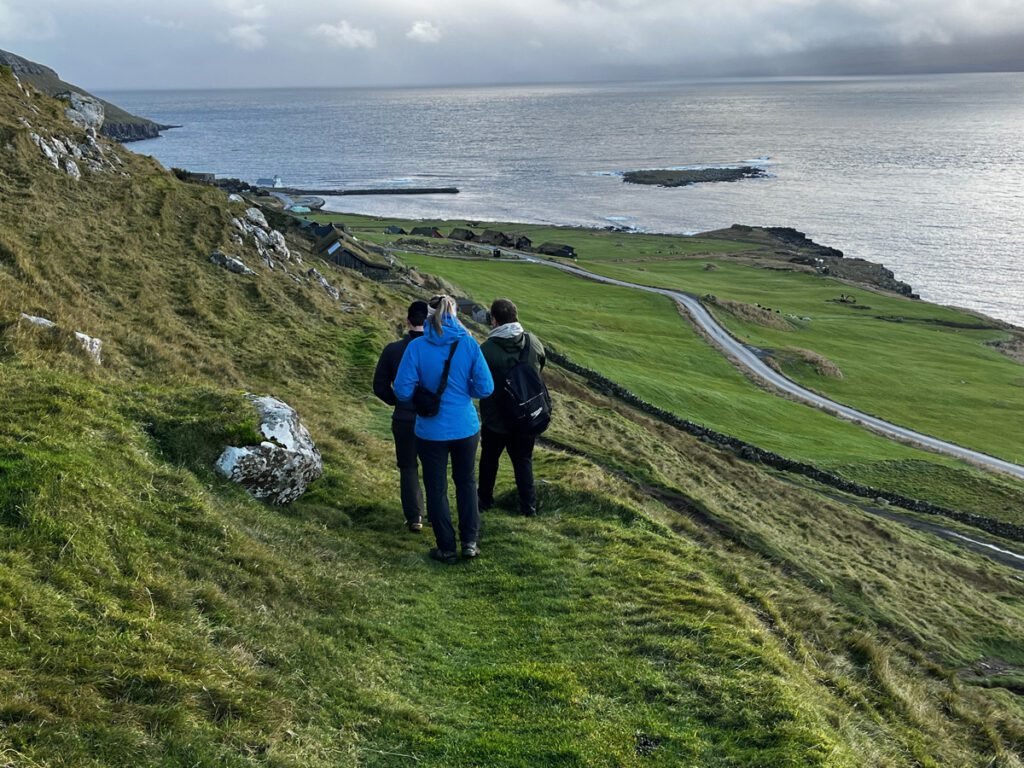
The lesson wasn’t about spending more or less. It was about spending deliberately.
For some women, the predictability of a tour price is worth the premium. For others, the ability to manage costs personally — and avoid the single supplement — tips the balance toward independence.
Neither approach is automatically cheaper. But they are structured differently and offer different experiences.
And that difference matters.
Energy and Pacing Matter More Now
In earlier decades, it may have been easy to pack three cities into five days and treat sleep as optional.
Now, pacing becomes strategic.
Independent travel allows you to build in recovery time. You can schedule lighter days between busier ones. You can avoid back-to-back early starts. You can spend more time at a scenic spot or attractions if you’re enjoying it. Or you can tear up your plans for an afternoon and retreat to a coffee shop.
Group tours often prioritise tallying up the big sites over the in-between moments. They can feel like a thrilling highlight reel or a breathless marathon, depending on your energy.
There’s no universal answer here. But there is a personal one.
The Hybrid Approach (Often the Most Sensible)
For many women in midlife and beyond, the most satisfying travel style isn’t strictly independent or fully escorted.
It’s a hybrid.
You might:
- Plan your own flights and accommodation.
- Books small-group day tours locally.
- Join a short specialist tour within a longer independent trip.
- Cruise one segment and explore independently before or after that.
This approach offers a way to keep your freedom intact while leaning on a safety net in unfamiliar territory, giving you more flexibility when you’re comfortable and more backup where you aren’t.
Questions to Ask Yourself
Before deciding, pause and consider:
- Do I enjoy organising details, or do I resent them?
- How important is flexibility to me?
- Am I prepared to (potentially) pay a higher price to have someone else make the arrangements?
- Do I need built-in companionship, or am I comfortable being on my own?
- Am I choosing a tour because it suits me — or because it feels safer?
- Do I like the idea of a hybrid approach?
Be honest. This isn’t about bravery. It’s about fit.
If You’re Leaning Toward Independent Travel
If part of you resists handing your travel plans to someone else, that instinct is worth examining. Independent travel in midlife and beyond isn’t about proving anything. It’s about preparation.
With a clear framework, planning your own trip becomes manageable — even enjoyable.
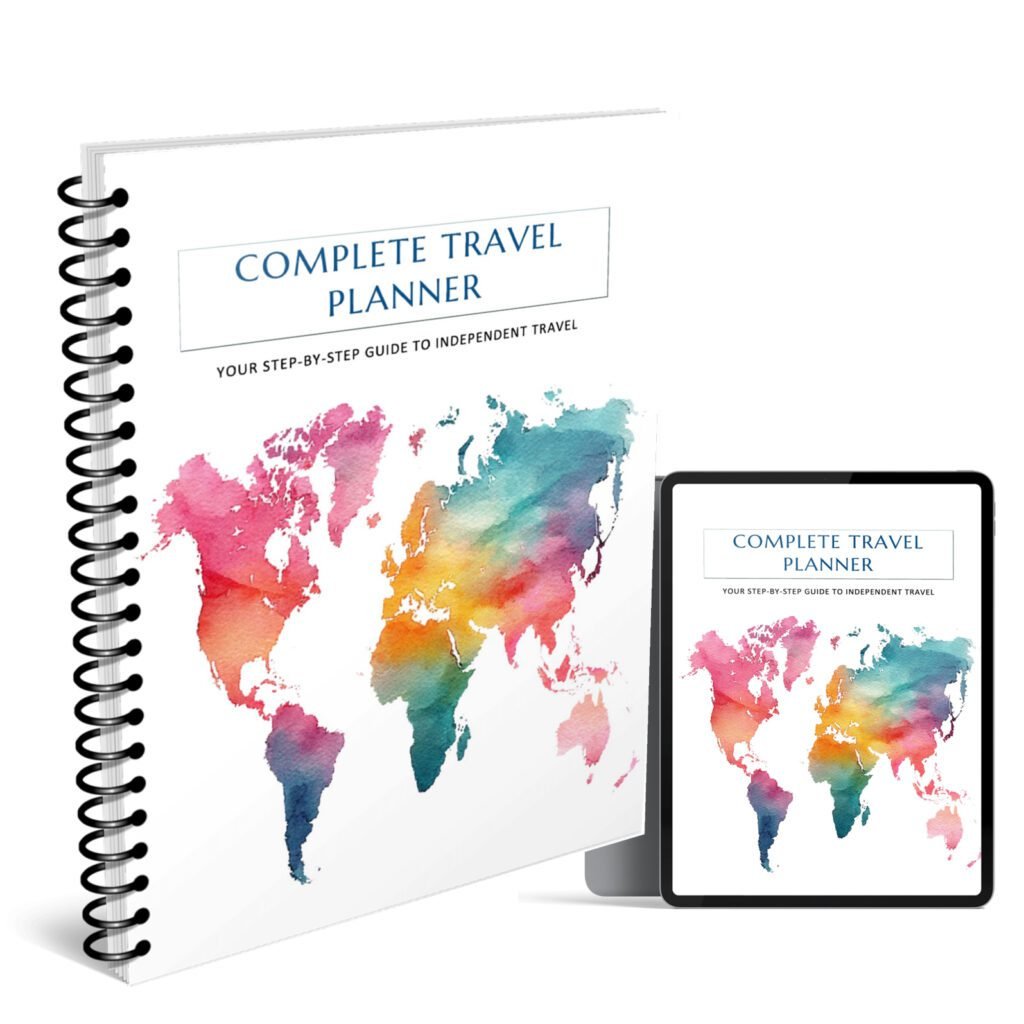
And if piecing everything together from scattered websites seems overwhelming, you may find my Complete Travel Planner useful. It’s a structured workbook that walks you step-by-step from first ideas to departure day.
Summing Up: Independent Travel vs Group Tours
Independent travel vs group tours isn’t a competition.
It’s a question of temperament, energy, preferences, and how much control you want to retain.
You don’t need to choose what’s considered “sensible” or let other well-meaning people tell you what to do.
You need to choose what suits you and plan accordingly.
Related Blog Posts
- How to Plan Independent Travel After 60 (Without Feeling Overwhelmed)
- Top 5 Solo Travel Planning Mistakes — and How to Avoid Them
- How to Plan a Solo Trip — Without Killing the Joy of Discovery
Leave a Reply