Planning an independent trip to Japan for seniors often starts with a single image: the neon glow of a Tokyo crossing, the absolute silence of a Kyoto stone garden, or the snow-capped cone of Mt Fuji. But for the independent female traveller over 60, that dream is often followed by a flurry of “What-ifs”.
What if I can’t navigate the complex train network? What if the walking is too much? What if the language barrier feels like a wall?
If you’ve been told that Japan is a destination best left to the guided coach tour, I’m here to tell you otherwise. In fact, Japan is perhaps one of the most rewarding travel destinations in the world. It’s a country that respects seniors, prioritises safety, and offers a level of hospitality that makes independent travel feel not just possible, but deeply rewarding.
🇯🇵 The key is not trying to do too much.
In this guide, I’ll show you how to plan a trip to Japan for seniors that feels comfortable, flexible, and entirely your own — without relying on a group tour.
- Can Seniors Travel Independently in Japan?
- Independent vs Group Travel: Which is Right for You?
- When is the Best Time to Visit Japan?
- Understanding Japanese Culture
- Getting Around Japan for Seniors
- The Magic of Luggage Forwarding (Takuhaibin)
- Where to Stay in Japan for Seniors
- Best Places to Visit in Japan for First-Time Travellers
- Beyond the Main Stops: Japan's Hidden Gems
- Day Trips vs Staying Put: Finding Your Balance
- Food, Dining, and Convenience Stores
- Budgeting and Minding Your Yen
- Healthcare and Practical Considerations
- Putting It All Together: A Practical Japan for Seniors Itinerary
- Japan for Seniors: The Bottom Line
- Related Posts
Affiliate Disclosure: Some of the links on this page are affiliate links. This means I may receive a small commission (at no further expense to you) if you click through and make a purchase. Learn more.
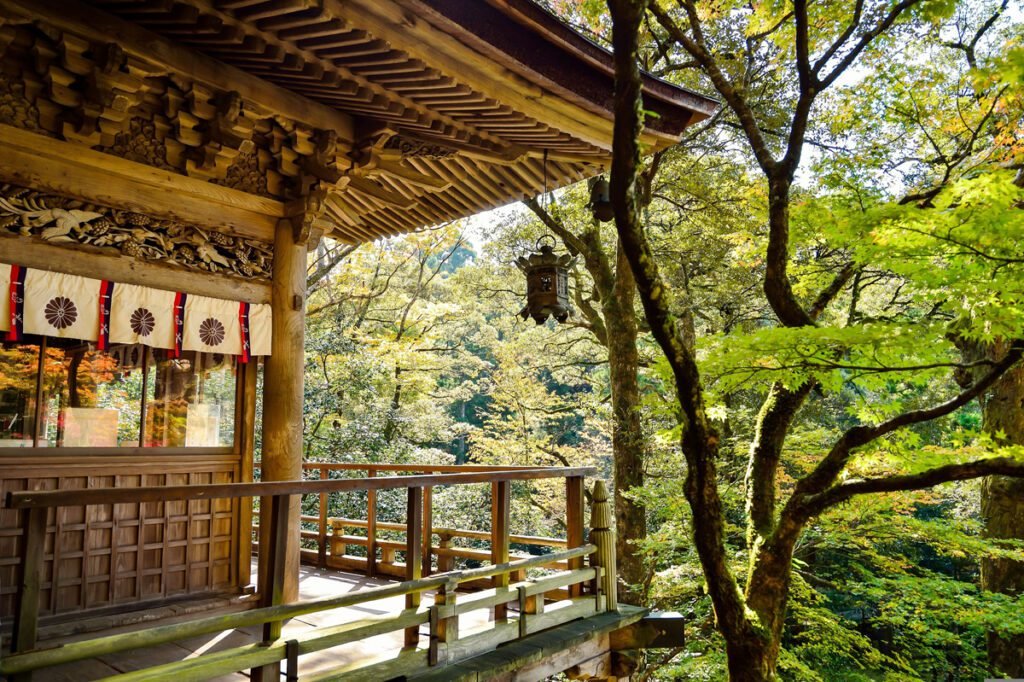
Can Seniors Travel Independently in Japan?
Yes, absolutely!
Japan is safe, well-organised, and designed in a way that makes independent and solo travel surprisingly straightforward once you understand the basics.
That said, it’s not effortless. Train stations can be large, distances longer than expected, and there’s often more walking than anticipated. This is where thoughtful planning makes all the difference.
Japan is considered by some to be an “exhausting” destination, mainly because group tours tend to cram in too much, too quickly, and the sheer volume of people can seem overwhelming at first.
But Japan makes it easy for senior solo and independent travellers because the infrastructure system actually works:
- Transport is frequent and runs on time.
- Elevators are everywhere at city Metro stations.
- Ticket machines have English options.
- Transit apps like Google Maps provide clear routes and timings.
- Clean public toilets are widely available.
Independent vs Group Travel: Which is Right for You?
Many older female travellers default to a group tour because it feels “easier” or “safer”. While tours certainly have their place, they often come with hidden costs, feeling rushed, and exhaustion.
Group tours offer structure and simplicity. Transport, accommodation, and daily plan are all organised, which removes a lot of decision-making. For some women, that feels reassuring.
But they also come with fixed, busy schedules and little room for flexibility. The typical group itinerary is a “greatest hits” marathon. You’re up at 6:00 AM, on a bus by 8:00 AM, and moved from temple to temple on someone else’s schedule. There’s no room for spontaneity.
Independent travel gives you control and the freedom to do what you want. You choose where to go, what to see or experience, how long to stay, and how busy or relaxed each day will be.
Yes, it does require more planning. But once you’ve done that, the experience itself is surprisingly straightforward. You’ll end your trip with the feeling that you have truly “experienced” Japan.
A balanced approach to your itinerary works well for many senior women travellers:
- Travel independently overall.
- Add a guided day tour here and there where it makes things easier.
- Stay longer in fewer places.
- Build in regular rest time.
- Keep your daily plans realistic and flexible.
- Avoid travelling during rush hour where possible.
- Treat travel days as travel days — not sightseeing days.
By embracing a slower pace and using the right tools, you can experience Japan on your own terms — without the rigid 6:00 AM wake-up calls of a group tour. Japanese people are famously helpful. If you look even slightly lost, someone will be available to help.
You’ll enjoy Japan more by slowing down.
When is the Best Time to Visit Japan?
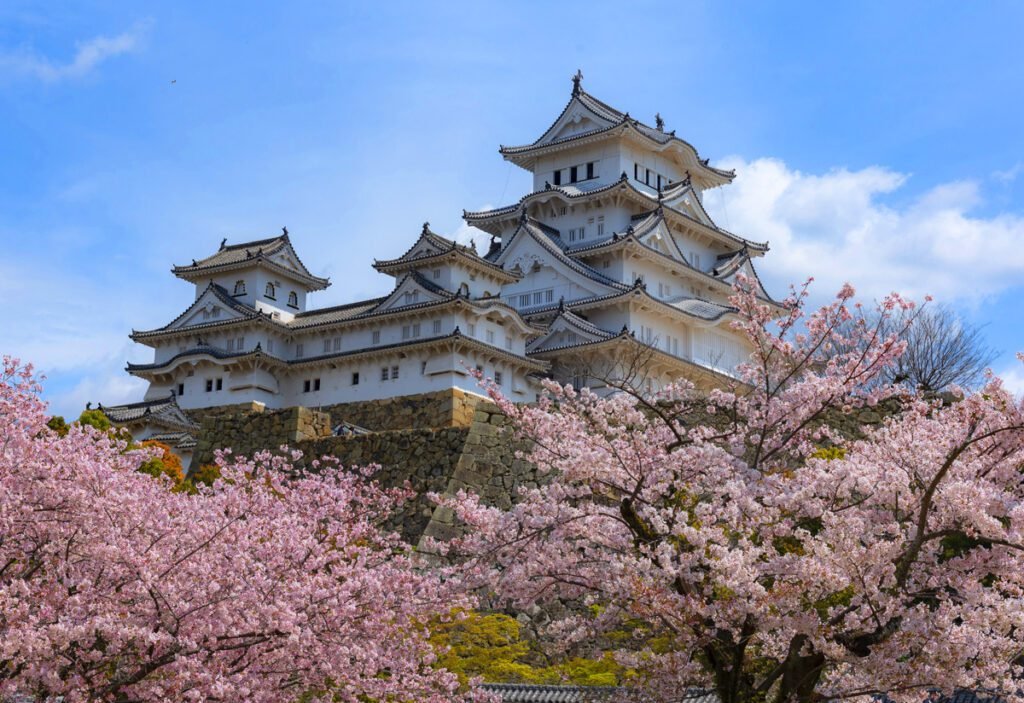
Japan can be visited year-round, but some seasons are more comfortable than others.
- Spring (March–May) — Iconic but requires booking months in advance. Cherry blossom season is popular and can be crowded. If you prefer a quieter experience, aim for early or late in the season.
- Autumn (October–November) — Often the best balance. Milder temperatures, colourful foliage, and a good balance of comfort and crowds.
- Summer (June–August) — Often very hot and humid, particularly in the cities. This can be tiring if you’re not fond of the heat and you’re moving around a lot.
- Winter (December–February) — Cool to cold, but generally clear, calm, and certainly less crowded. A good option if you don’t mind the temperatures, want to see some snow, and want a slower pace.
For many travellers over 60, autumn is the most comfortable time to visit.
Understanding Japanese Culture
One of the reasons Japan feels so safe for female travellers is the cultural emphasis on Omentenashi — a unique form of hospitality that anticipates a guest’s needs.
As an independent travellers, you don’t need to be an expert in every custom. What matters most is awareness and respect.
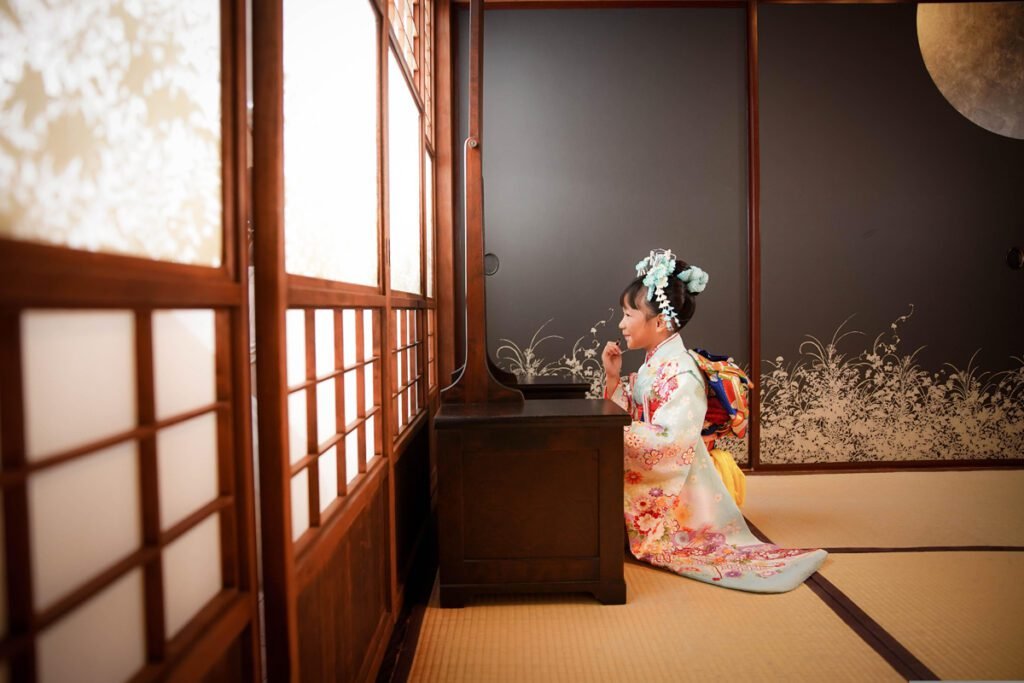
A few simple things will carry you a long way:
- People are generally quiet in public spaces
- Queueing is orderly and expected
- Shoes are removed in certain places
- Politeness is the norm
“Bowing” is commonplace — but the good news is that a simple nod of the head and a smile is a universal sign of respect that goes a long way. If you’re unsure, observe what others are doing and follow their lead.
Visitors are not expected to get everything right. A small effort and respectful attitude goes a long way.
Getting Around Japan for Seniors
Japan’s transport system is excellent — it can feel a bit overwhelming at first, but you don’t need to understand everything. You just need a few basics.
The Shinkansen (Bullet Train)
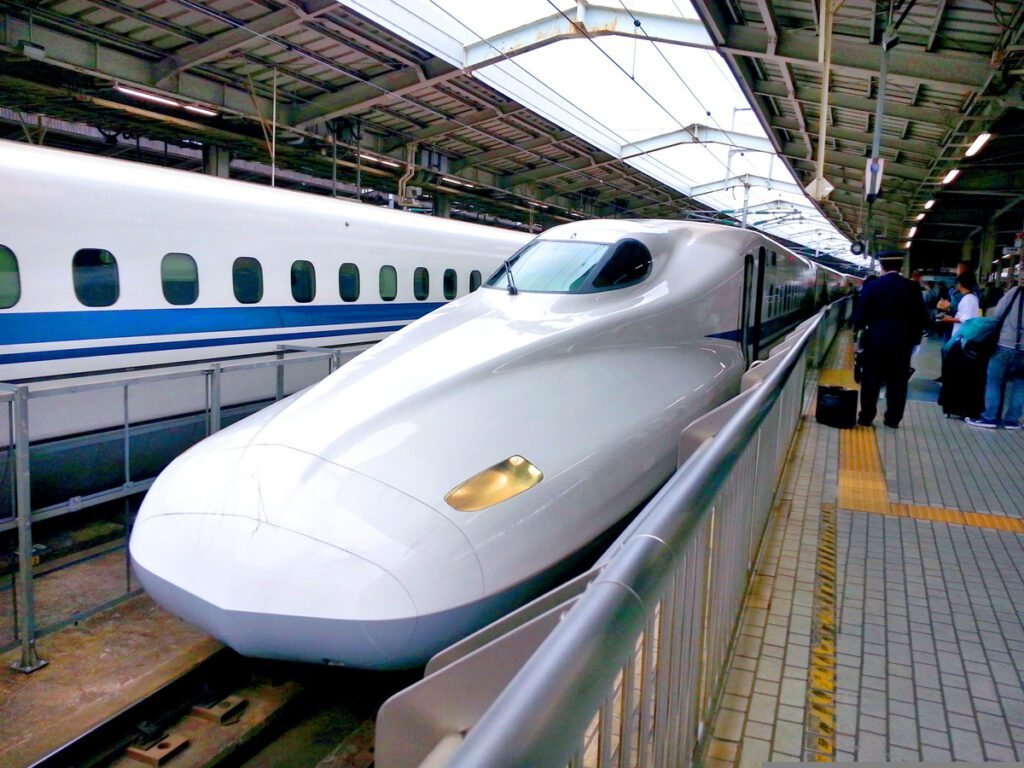
Fast, comfortable, and easy to use. The Shinkansen is the best way to travel between major cities. Shinkansen trains are quiet, clean, have Western-style toilets, run on time, and the platforms are level with the train doors, making boarding easy.
Metro Networks and Regional Trains
Although networks like the Tokyo Metro look complicated on the map, once you’ve done it a couple of times you’ll realise how logical and easy they are. Routes are clearly numbered and signposted, and apps like Google Maps give up-to-date platform information, and estimated walking times between platforms.
Major airports have dedicated express trains to take you from the airport to the city. For example, the Narita Express from Narita International Airport (Tokyo) to city.
To make things easier when using the train network, allow plenty of time, avoid peak hours, and don’t plan tight connections.
IC Cards (tap-and-go travel cards)

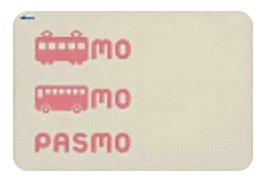
IC Cards like Suica or Pasmo remove the need to buy individual tickets. You simply tap on and off. Top-up machines are located in all train stations. The cards can also be used in many convenience stores for small purchases.
Taxis
While the trains are fabulous (and budget-friendly), sometimes the best investment in your energy is a taxi for that final link from the airport or train station to your hotel, or after a long day of walking. Japanese taxis are spotless, safe, and the drivers are incredibly professional.
Keep your hotel details with you at all times — both in English and Japanese (if possible). Taxi drivers don’t always have flawless English, so showing them an address in their own language avoids confusion.
The Magic of Luggage Forwarding (Takuhaibin)
Managing a lot of luggage when travelling between cities can be challenging, but it’s easy once you know how.
Of course, the simplest approach is to pack lighter than you think you need. It’s often not difficult to travel with just a carry-on sized bag, especially during the milder seasons.
But if your luggage is large or heavy, use Japan’s brilliant luggage forwarding service (takuhaibin). Your suitcase is sent ahead to your next hotel, either the same day or overnight (depending on your schedule), so you can travel with just a small overnight bag.
The service is reliable, widely used, and makes a difference if you do need to carry heavy or bulky items.
Where to Stay in Japan for Seniors
Where you stay in Japan matters more than you might expect.
Rooms are often smaller, and locations can greatly affect how much walking you do,
For most solo or independent female travellers, a well-located hotel near a major train station is the most practical choice.
You’ll typically choose between:
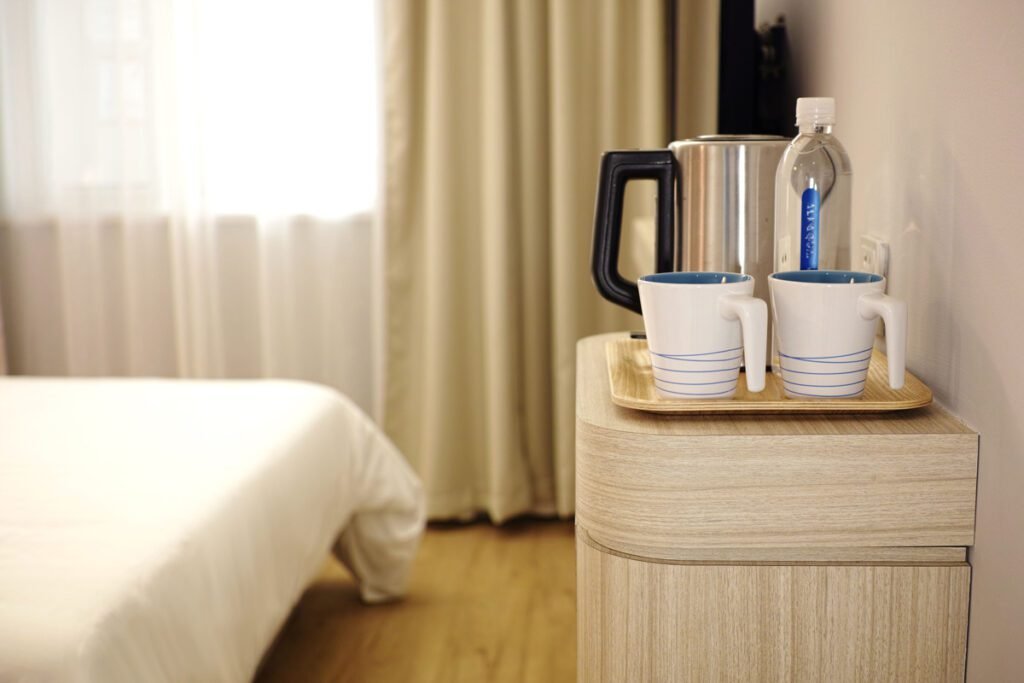
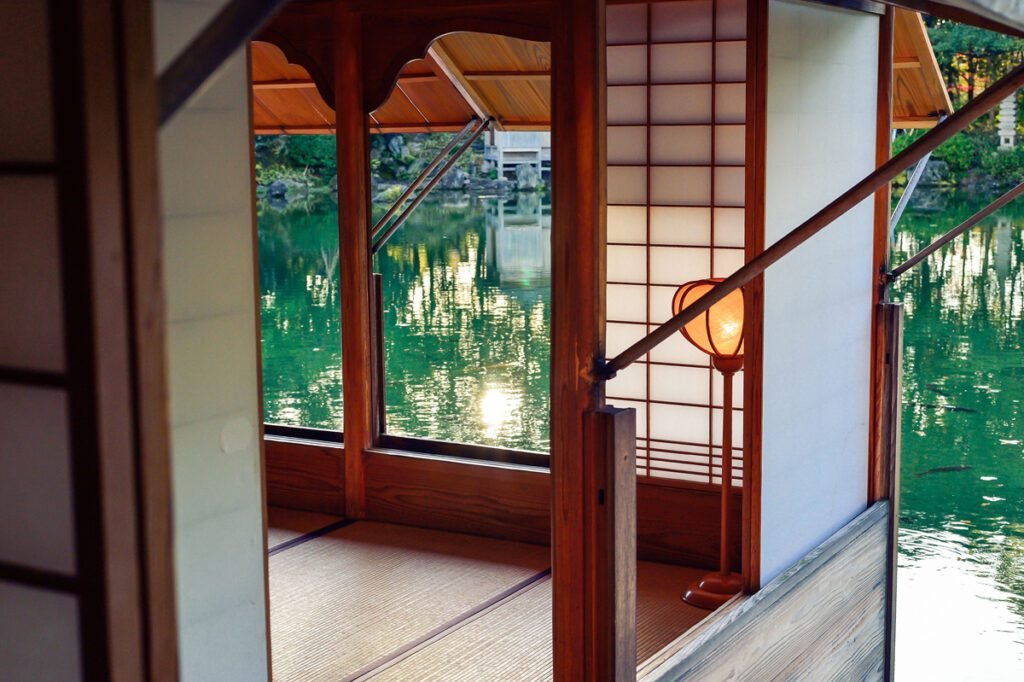
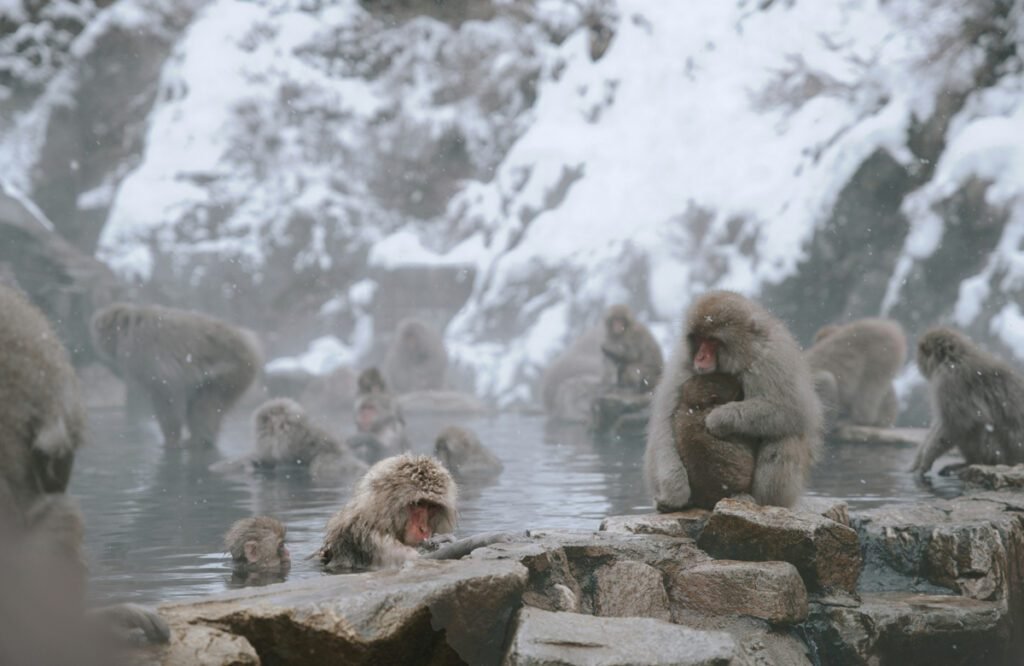
- Hotels: Reliable, comfortable, and easy, offering Western-style beds and bathroom facilities. Hotels are an excellent choice, especially for your first trip.
- Ryokan (traditional inns): Offer a more cultural experience, with tatami mats and futons. They’re worth trying for a night or two but not always comfortable for longer stays.
- Onsen: These are either ryokan or hotels with hot spring baths. They can be a highlight of a trip and a welcome way to relax after a long day out.
The key is to prioritise your personal comfort, needs, and convenience over novelty.
A simple, well-located hotel will often serve you better than somewhere more “interesting” but less practical.
Best Places to Visit in Japan for First-Time Travellers
If this is your first independent trip to Japan, my advice is simple: Don’t try to see it all.
Japan’s beauty is in the details, and those are best savoured when you aren’t rushing to catch a train or bus. For a 10-14 day trip, focusing on three or four key hubs allows you to unpack your bag, settle in, and enjoy the place you’re in.
A simple route covering the triangle of Tokyo, Kyoto, and Osaka is popular for good reason — accessible, offering a balance of high-tech modernity with traditional Japan, and excellent transport links. However, popularity comes with tourist crowds.
Nevertheless, this route will give you a rich, varied experience while also keeping your itinerary uncomplicated.
Tokyo
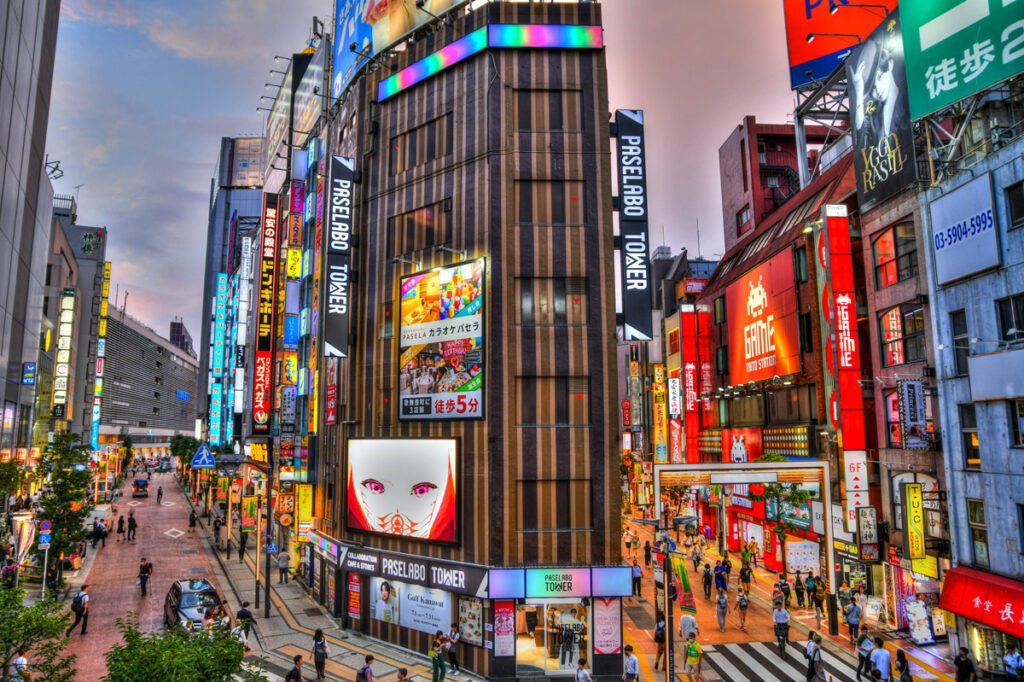

Tokyo offers a dynamic starting point. This large, sprawling city can feel overwhelming when first stepping onto its streets, but it’s remarkably well-organised and easy to navigate.
For senior travellers, choosing central accommodation is the key. Areas such as Tokyo Station and Ginza are convenient, a little quieter, and great for older travellers. If you want to be in the heart of the action, Shinjuku brims with restaurants, cafés, nightlife and entertainment.
Mt Fuji Area
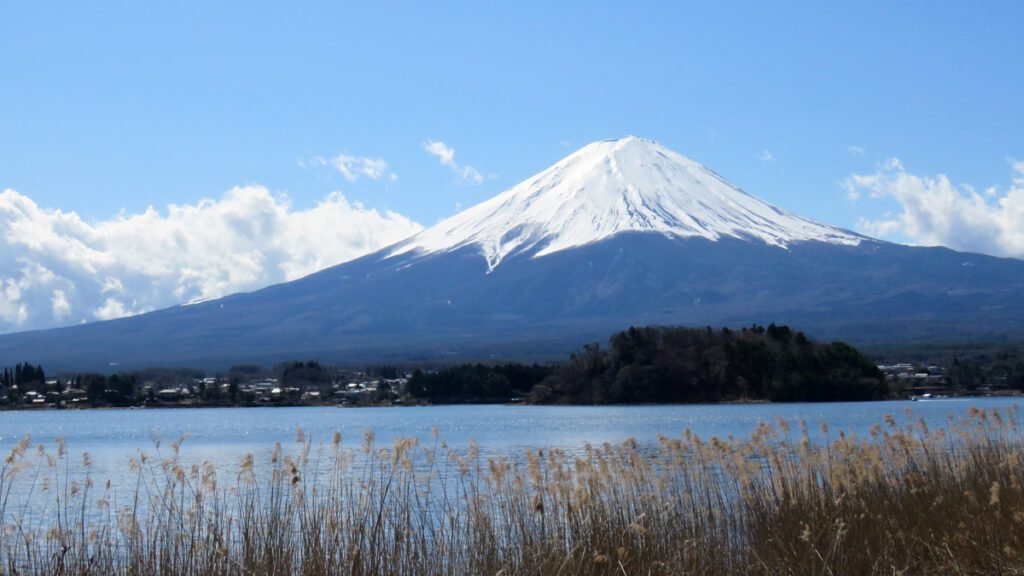
The Mt Fuji area offers a slower pace and iconic views (weather permitting). Mt Fuji is best experienced from places like the lakeside town of Kawaguchiko. If hot springs, onsen culture, boat tours on Lake Ashi, or the Fuji Panorama Ropeway interest you more, Hakone is a good option.
Kyoto
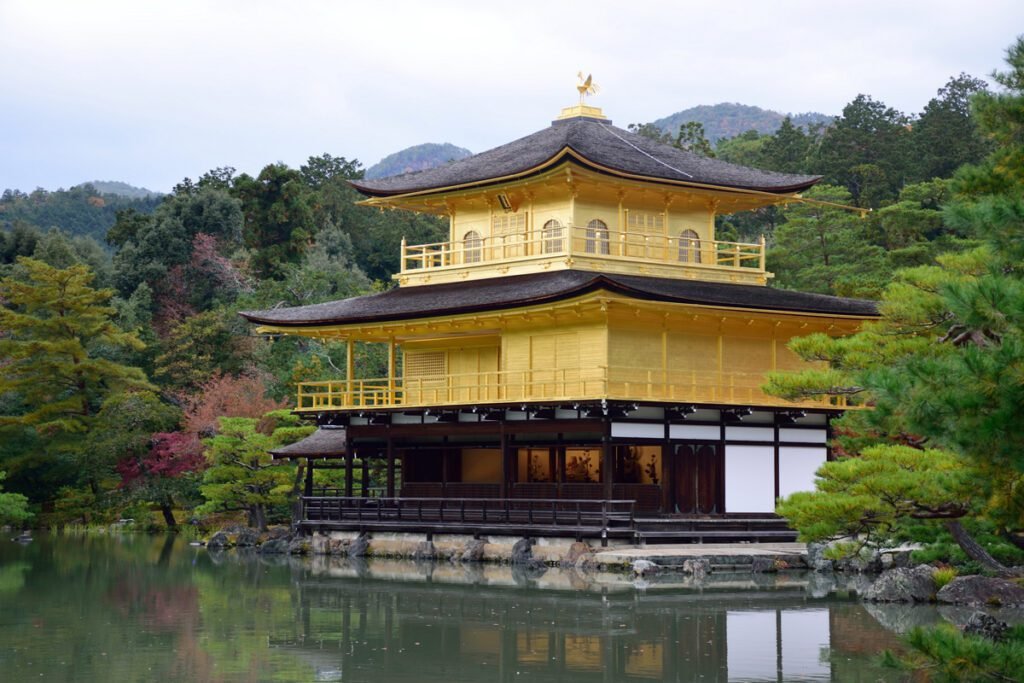
In Kyoto, you’ll experience traditional Japan at its most recognisable, with gorgeous temples, serene gardens, and historic streets.
For first-time visitors, the Downtown Kyoto and Kyoto Station areas offer a mix of old and new and are well located for transport. If culture, history, and tranquility attract you, Southern or Northern Higashiyama are a good option.
Osaka
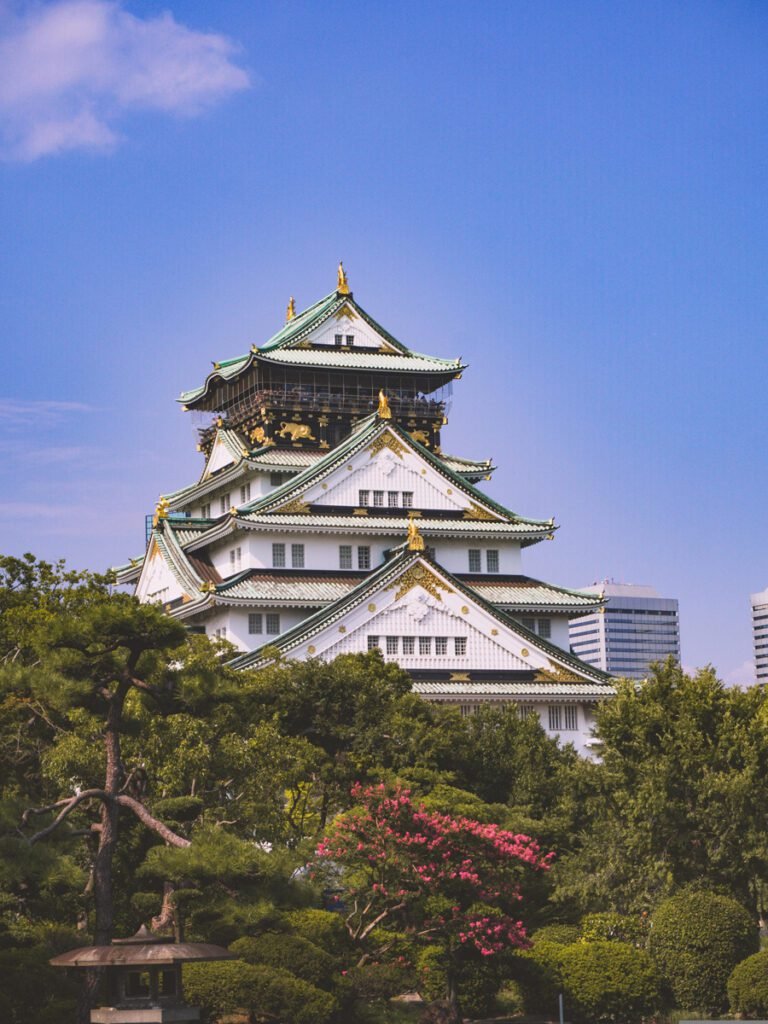
Only 15 minutes from Kyoto by Shinkansen, Osaka is vibrant and friendly and is know for excellent food. Osaka makes for a relaxed base with easy access to nearby areas.
Downtown Osaka makes a great choice for first-time visitors, offering great transport links, shopping, restaurants, and nightlife. Spend an evening in Dotonbori to see the famous neon signs and street food.
Beyond the Main Stops: Japan’s Hidden Gems
Once you’ve experienced the icons, Japan has a wealth of smaller cities that offer a slower pace and different feel from the big cities. A few options to consider include:
- Kanazawa: Often called the “Jewel of Japan”, this walkable, flat city is an excellent place to spend an afternoon in Kenroku-en, one of Japan’s most beautiful gardens, or wander the historic samurai and geisha districts.
- Takayama: A “time capsule” in the Japanese Alps. It’s the perfect place to slow down, explore riverside morning markets, and sample the local Hida beef.
- Hiroshima & Miyajima: A city of wide, easy-to-navigate boulevards and moving history, paired with the iconic “floating” Torii gate on nearby Miyajima island.
- Matsumoto: A walkable, relaxing destination home to Matsumoto Castle — one of Japan’s most stunning and well-preserved historic buildings.
- Nara: A tranquil escape easily visited from Kyoto or Osaka. Highlights include the gentle deer of Nara Park and the awe-inspiring Todai-ji Temple.
The Golden Rule for Your Itinerary: Unless you have the luxury of time, be selective. Extra stops mean more packing, more transit days, and more decisions. Often, the most rewarding “slow travel” choice isn’t adding a new destination, but simply giving yourself another day to truly enjoy where you already are.
Day Trips vs Staying Put: Finding Your Balance
Day trips are a great way to explore without changing hotels.
They work best when:
- The destination is under an hour or two away.
- Trains are direct and frequent.
- Day tour guide companies (e.g. Get Your Guide and Viator) offer all-inclusive trips, with hotel pickup and drop-off.
- You’re happy to return to the same “home base” at the end of the day.
Popular examples include visiting Nara from Kyoto or Osaka, or taking the train to Kamakura from Tokyo to see the Big Buddha.
Day trips from Tokyo to Mt Fuji are also popular. However, it’s a very long day with a lot of travelling and no guarantee that the weather will oblige when you arrive at Mt Fuji. If you really want to see Fuji-san in all its glory, it’s better to spend a couple of nights in that area.
Keep in mind that too many day trips can be tiring. A comfortable approach is to mix day trips with quieter days, leave space for spontaneous exploration, and don’t feel you need to use every moment of every day.
Food, Dining, and Convenience Stores
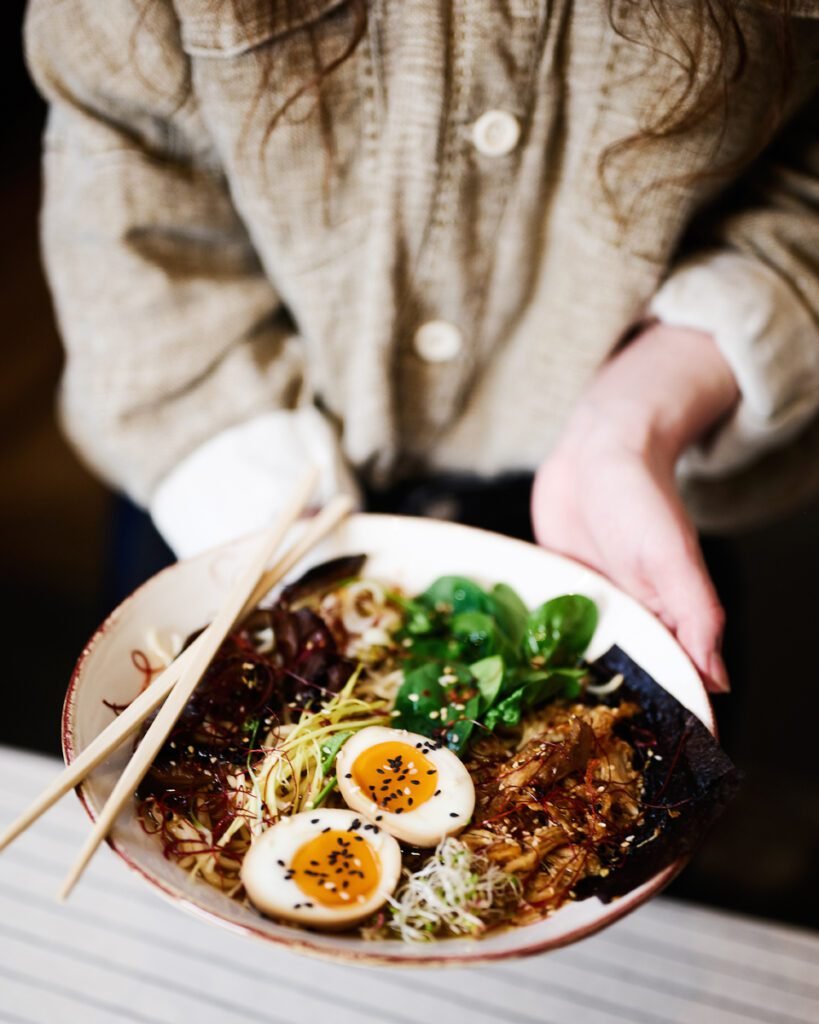
One of the greatest joys of Japan is that you can eat exceptionally well at any price point. Solo dining is completely normal, and many places are set up for it. You’ll often find counter seating, simple menus, or even vending-style ordering systems.
If you’re unsure what to order, look for plastic food displays outside restaurants or picture menus.
Convenience stores like 7-Eleven, Lawson, and FamilyMart offer fresh, affordable food perfect for a quick meal — think onigiri and sushi, salads, sandwiches, hot steamed buns, and drinks.
At department store food halls (Depachika), you’ll find high-quality, pre-prepared meals. Perfect for picking up a gourmet dinner to enjoy in the comfort of your hotel room.
Budgeting and Minding Your Yen
Visiting Japan isn’t as expensive as many people expect. You can spend a lot if you choose to, but it’s also possible to travel comfortably without overspending.
The main costs to plan for are:
- Accommodation: Prices vary by season, but clean, comfortable hotels are widely available at reasonable rates.
- Transport: Long-distance travel (such as the Shinkansen) can add up. When looking at ticketing, calculate ticket prices using direct purchase or IC card vs the JR Pass (which doesn’t always offer the best value)
- Food: Mix simple counter meals or convenience food with occasional restaurant dining and stay well within budget.
Keeping your budget under control is made easier if you stay longer in one place, travel outside peak seasons, use convenience stores and markets for some meals, and avoid overfilling your itinerary.
Cash or Card?
While cards are widely accepted in cities, you should also carry some local currency cash (Yen) for smaller purchases such as:
- Temple and shrine entrance fees.
- Local markets, food stalls, and gift shops.
- Convenience stores (some accept cards, some cash only).
- Vending machines (some accept credit/debit cards or IC cards).
- Some tourist attractions (e.g. the Monkey Park at Arashiyama Bamboo Grove).
Healthcare and Practical Considerations
Travelling independently in Japan means being your own advocate, and a little preparation goes a long way.
Travel insurance is essential — Japan’s healthcare is excellent but it’s not free for visitors. Make sure your travel insurance policy covers medical care, medications, any pre-existing conditions, and emergency evacuation.
Pharmacies are widely available, especially in cities. Basic over-the-counter medications are easy to find, though brand names may differ. If you take regular medication:
- Bring enough for your trip.
- Keep it in original packaging.
- Carry the prescriptions.
While Japanese healthcare is excellent, English may not be widely spoken. Make sure you have a translation app (e.g. Google Translate) on your phone.
Putting It All Together: A Practical Japan for Seniors Itinerary
You don’t need a complicated route to experience Japan well, especially for your first trip. A simple, well-paced itinerary is far more enjoyable than trying to fit too much in.
Here’s an example of how a two week trip (approx.) might look:
Tokyo — 4 to 5 nights
Arrive, settle in, and take your time getting comfortable with the transport system. Explore the sights you want to see at a relaxed pace, with the option of a day trip or two to reach places outside the city, e.g. Kamakura and the Great Buddha of Hase.
Mt. Fuji — 2 nights (optional)
Travel by train to Kawaguchiko or Hakone to see the glorious Mt Fuji (weather permitting). Rising early often gives the best chance of a clear view. Enjoy a cruise on Lake Ashi, or ride the Fuji Panorama Ropeway up the mountain to the observation deck.
Kyoto — 4 to 5 nights
Travel by Shinkansen. Focus on a few key areas each day. Visit the Golden Pavillion and Ryoan-ji; take the train from Kyoto Station to the Arashiyama Bamboo Grove, or take a day trip to Nara to visit the Nara Deer Park and Today-ji temple.
Osaka — 3 to 4 nights
Ride 15 minutes on the Shinkansen from Kyoto to enjoy a relaxed Osaka base for your final stop. Enjoy the food scene, visit Dontonbori after dark to see the lights and enjoy a meal, take a day trip to Himeji White Heron Castle, or visit the tranquil Minoo Falls for an easy stroll through beautiful natural forest.
This route works because it:
- Limits the number of hotel changes.
- Keeps travel days manageable.
- Balances variety — history, culture, and modernity with simplicity.
You can always add more, but you don’t need to. For a first visit, taking this popular route offers an ideal introduction to Japan. Remember, you can always return another time!
Japan for Seniors: The Bottom Line
Independent travel in Japan as a woman over 60 isn’t just possible — it’s arguably the best way to see the country. When you travel on your own terms, you aren’t just a tourist following a flag-waving tour guide and being rushed from A to B; you’re an explorer.
There’s no need to rush, see everything, or follow someone else’s itinerary.
You have permission to skip the “must-see” temple if you’d rather spend an hour watching a calligrapher at work, or simply putting your feet up for a couple of hours.
You have the freedom to spend a little extra on a taxi to save your energy for a sunset walk.
Most importantly, you have the space to let Japan change you, rather than just checking it off a Bucket List.
So, what are you waiting for? It’s time to start planning.
Related Posts
Read the story of my independent summer-time trip across Japan that I took with a friend.
Leave a Reply