Part 1: Nordic Slow Travel Series — 48 Hours in Copenhagen
If you only have 48 hours in Copenhagen how do you choose to use them? With limited time, every decision counts — what you see, what you skip, and how deeply you engage. I arrived for my first two-day visit with exactly those things in mind.
I arrived with a carefully-researched 3-day itinerary tucked into my bag and a slightly shorter schedule than I’d hoped for. Travel, especially when it’s the gateway to a Nordic adventure like the Faroe Islands, rarely cares about your “perfect” plans. Flight schedules shifted, ferries beckoned, and suddenly my three days in Copenhagen had shrunk to two. I had to pivot, stripping my original itinerary down to the “best of the best” to fit the rhythm of a short-stay city break.
I’d heard whispers of hygge, of course, and seen the postcard-perfect images of Nyhavn, but I hadn’t expected the city’s effortless charm to take hold of me so quickly. It didn’t take long to realise why the Danes are ranked among the happiest people on earth; there is a quiet, friendly efficiency here that makes a solo traveller feel immediately at home.
48 Hours in Copenhagen: A Solo Traveller’s Tale
- The Warm Welcome of Hygge
- Day 1: Wandering Through History
- Day 2: Waterways and Wanderlust
- Planning Your Own Short Stay in Copenhagen
- Getting Around Copenhagen: A Most Walkable City
- Is Copenhagen Safe for Solo Women Travellers?
- Best Time to Visit Copenhagen
- Where to Stay in Copenhagen (and Why Location Matters)
- Transport In and Around Copenhagen
- Day Tours in Copenhagen
- Budget-Friendly Copenhagen: Practical Ways to Spend Less
- A Practical Itinerary for a Short Stay in Copenhagen [Downloadable PDF]
- Getting Around Copenhagen: A Most Walkable City
Affiliate Disclosure: Some of the links on this page are affiliate links. This means I may receive a small commission (at no further expense to you) if you click through and make a purchase. Learn more.
The Warm Welcome of Hygge
I touched down in the early morning, carrying that specific brand of weariness that follows a long-haul flight from Australia. International travel at this stage of life is a privilege, certainly, but it’s also exhausting. I found myself profoundly grateful for how gently Copenhagen treats the newcomer.
My hotel sat just a two-minute walk from Copenhagen Central Station. Taking the Metro from the airport was so straightforward and inexpensive that it removed the usual “first-day friction” of a new city. For solo travellers, especially those on multi-stop journeys, I cannot overstate the value of staying near a transport hub; it grants you a stress-free landing before you’ve even had time to get your bearings.
Since it was far too early to check in, the hotel staff ushered me into a comfortable lounge. They brought me a coffee — on the house — and encouraged me to simply be for a moment. That was my first real taste of hygge: a sense of being looked after without any fuss. With a caffeine boost and a modified plan in mind, I stepped out into the crisp October air.
Takeaway: Planning Your short stay in Copenhagen
- Choosing a hotel near Copenhagen Central Station or the city centre makes everything easy — airport transfers, walking routes, and onward travel all fall neatly into place.
- Copenhagen is genuinely walkable — You don’t need a packed itinerary to make the most of a few days.
- Build some breathing room into your days — Jet lag and excitement can coexist — have a flexible plan that you can adjust according to interest and energy.
Day 1: Wandering Through History
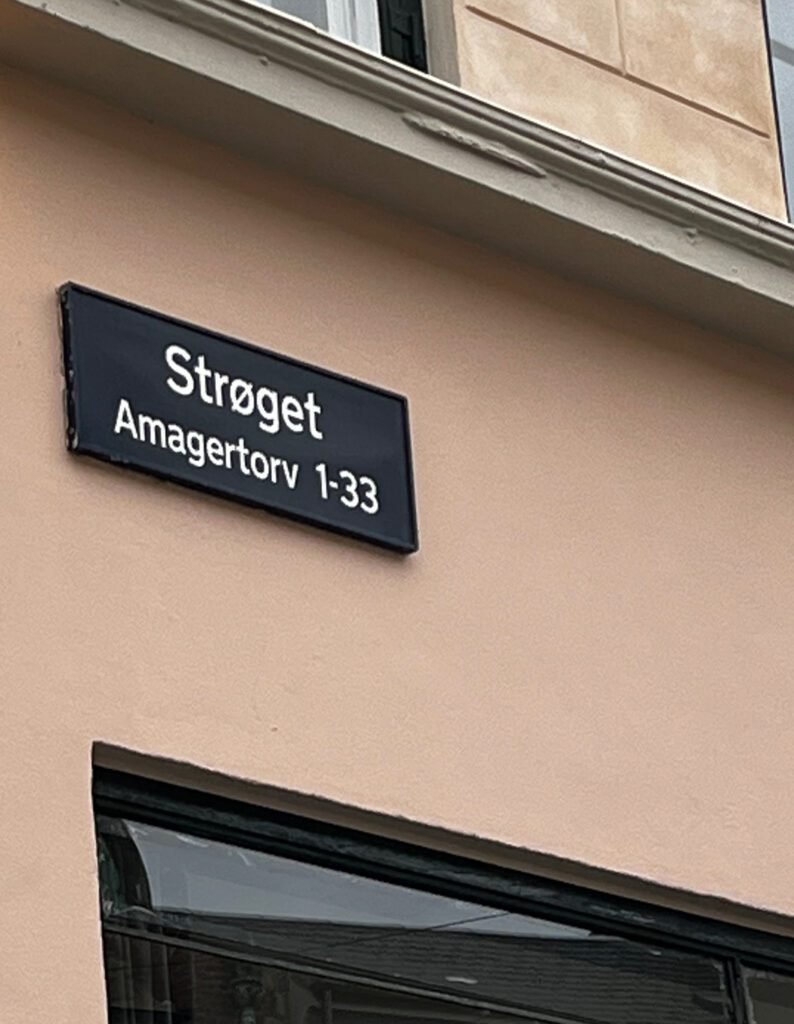
Strøget
With that first Danish coffee doing its job, I set off on foot toward Strøget, Copenhagen’s famous pedestrian shopping area, only a few minutes’ walk from my hotel.
Unlike the vast, glass and steel shopping districts of other capitals, Strøget felt human-scaled. Cobbled streets wind between elegant façades where designer shop windows sit comfortably alongside flower stalls and food carts. The air carried the heady mix of waffles, hot dogs, roasted nuts, and — even in the early morning — the spicy, warming scent of gløgg (mulled wine).
The Round Tower
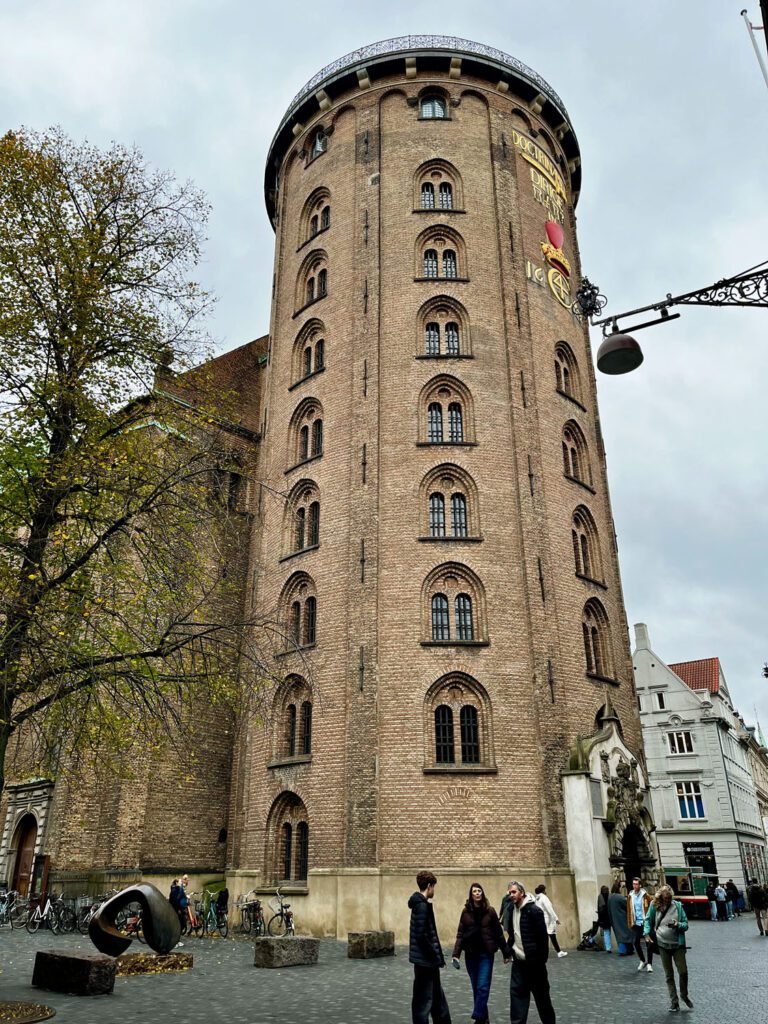
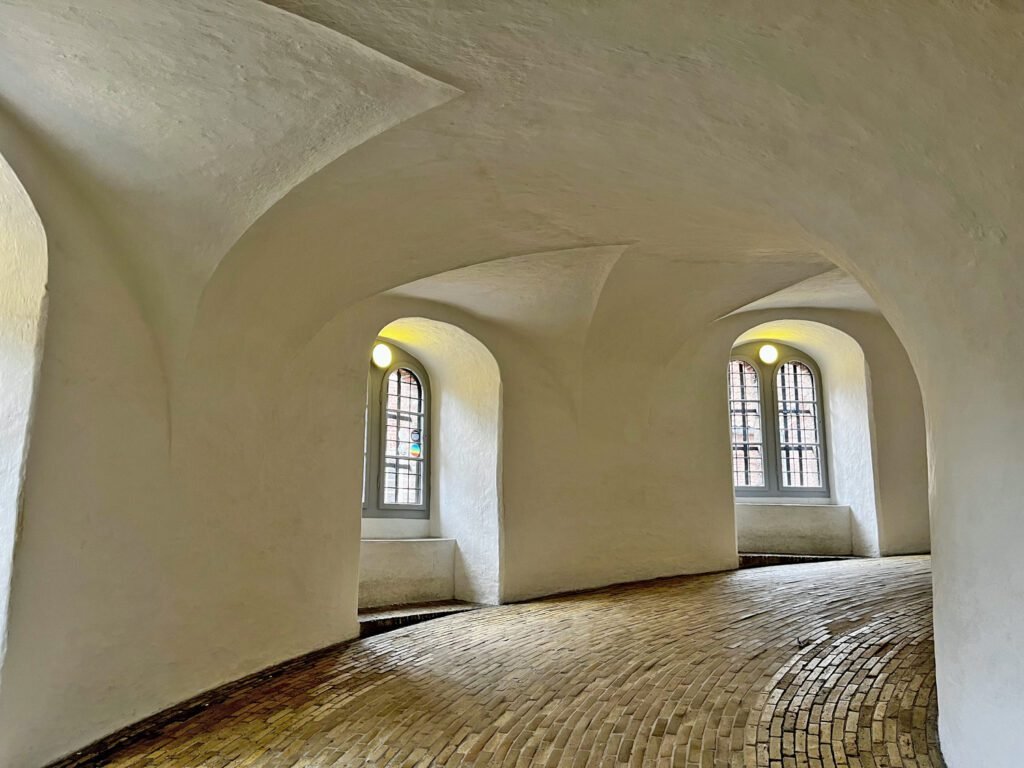
Following the curve of the streets, I soon found myself standing before the Round Tower (Rundetaarn), one of Copenhagen’s most unusual historic landmarks. Built in 1637 as an astronomical observatory, it’s a quirky architectural gem that offers one of the most unique climbs in the city. Instead of gruelling stairs, a wide, gently spiralling ramp winds upward. It was originally designed so that horses could carry heavy scientific instruments upwards, and for those of use who prefer a steady stroll over hundreds of steps, it’s a dream.
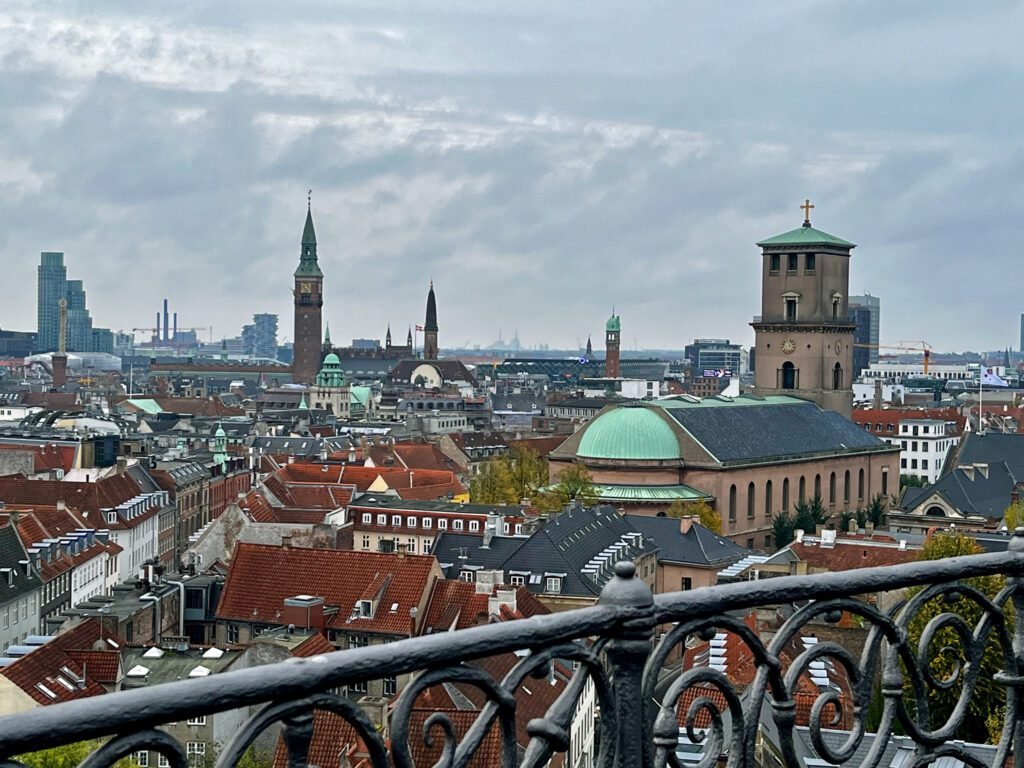
The final ascent is via a narrow staircase, managed by a small traffic light — a charming bit of Danish order — that opens onto an observation deck 35 metres above the streets. From there, the city revealed itself: a sea of red rooftops and copper spires framed by autumn gold.
A Royal Parade
I descended back to street level just as the air began to vibrate with the sound of brass and drums. By pure serendipity, the Royal Life Guards Band came marching through the streets, boots gleaming and music echoing off the old buildings.
I later learned that during this twice-daily march to and from Amalienborg Palace the bank only plays when the King is in residence. Standing there among the gathering crowd, watching the procession, I felt as though the city was putting on a show just for my arrival!
Takeaway: Tips for planning your first morning
- Start early, move slowly — Arriving in Strøget mid-morning meant fewer crowds and a calmer start to the day.
- Let your senses lead — Don’t just rush to the “sights”. Stop at a cart for those roasted nuts or a pancake; take a break in a café. At this stage of life, I’ve learned that the “flavours” of a city are just as important as its monuments.
- Comfortable shoes matter — Copenhagen’s cobblestones are beautiful but unforgiving. Wear your most comfy walking shoes when out and about.
A Taste of the Season: Torvehallerne Food Market
By lunchtime, my morning stroll had worked up a proper appetite, and the Torvehallerne Food Market proved an irresistible draw. This glass-walled market is a lively mix of indoor and outdoor stalls selling everything from gourmet snacks, full meals, and drinks to fresh flowers and vegetables.
For solo (indeed, any) travellers it’s the ideal place to enjoy a light lunch or dinner. There’s no pressure to claim a table; instead, you can graze, enjoy a glass of wine or beer, sit awhile, and move on when you’re ready.
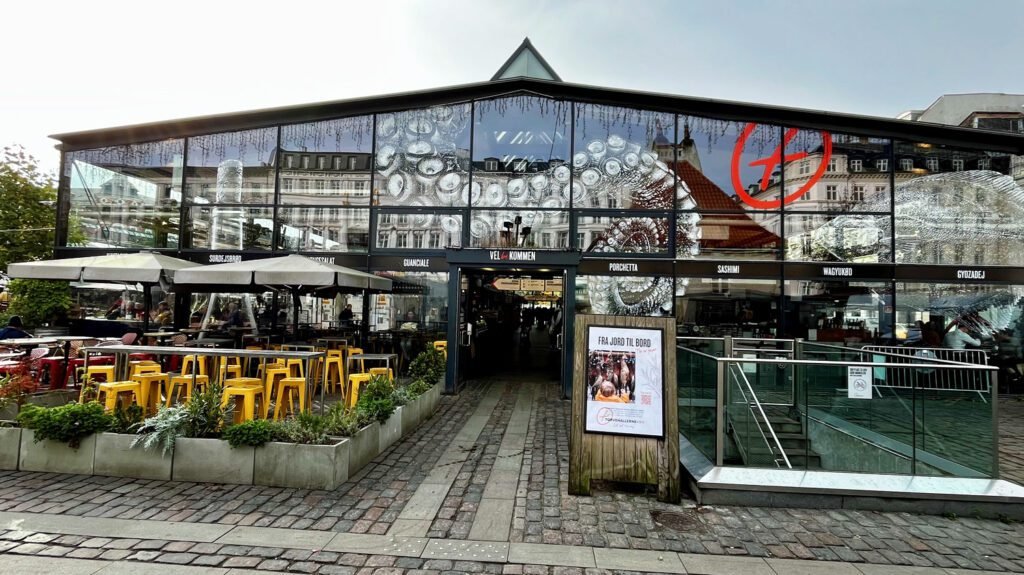
Of course, I had to choose smørrebrød — Denmark’s famous open-faced sandwiches featuring tasty toppings such as fish, meat, cheese, eggs, and garnishes atop a slice of dense rye bread (rugbrød).
Being late October, it was impossible not to notice Copenhagen embracing the season. Halloween was everywhere: enormous pumpkins piled high, decorations dotted throughout the markets and streets, and even the restrooms at Torvehallern were dressed up for the occasion with spooky creatures!
Tivoli Gardens
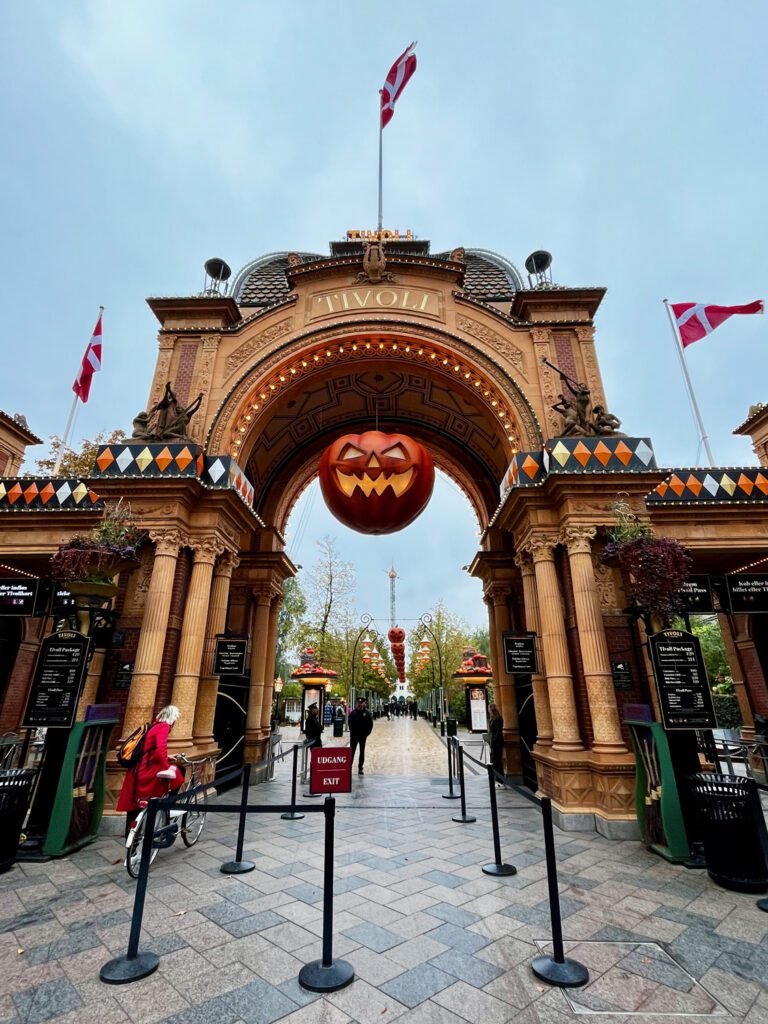
The festive spirit continued just down the road at the world-famous Tivoli Gardens. As one of the oldest amusement parks in the world, it’s a true historic gem. Even if you aren’t one for high-octane rides, the blend of classic architecture, manicured gardens, and diverse eateries makes it an enchanting place to visit. Although I decided to give it a miss this time, if you do go, I’d aim for after dark — that’s when the magic really comes alive.
The Art of the Pause: Copenhagen Botanic Gardens
As the afternoon light began to soften, my initial adrenaline started to ebb. Inside the gates of the Copenhagen Botanic Garden, the pace of the world slowed immediately. The gardens were settling into their own autumn rest — leaves falling in slow-motion and paths turning quiet.
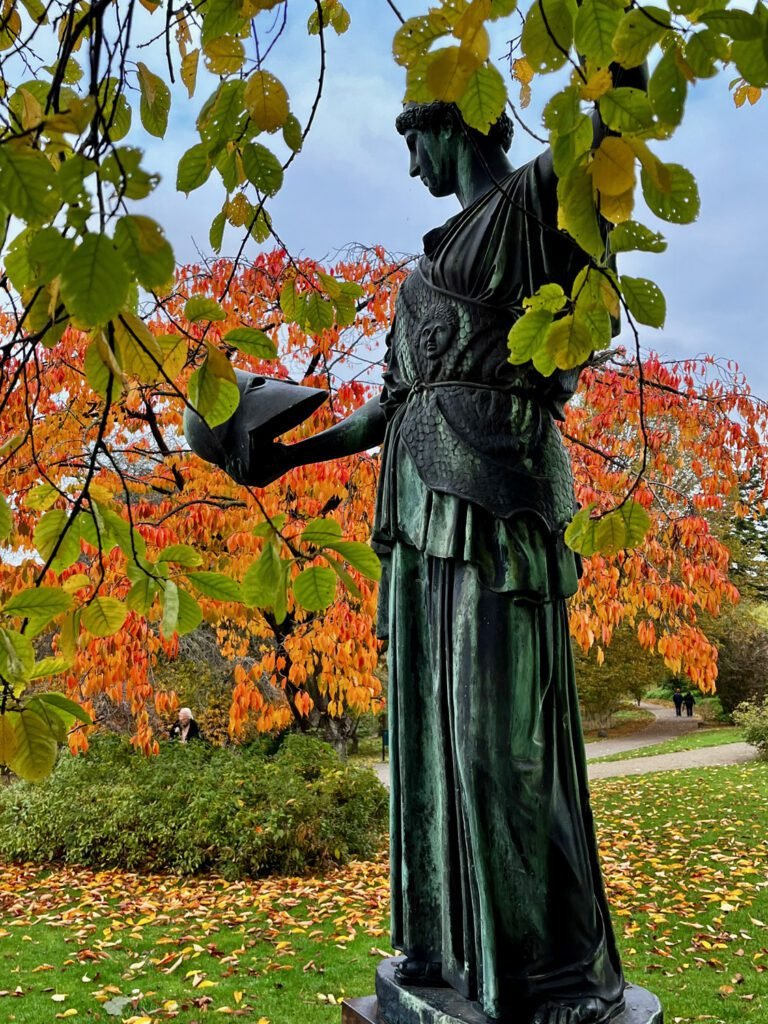
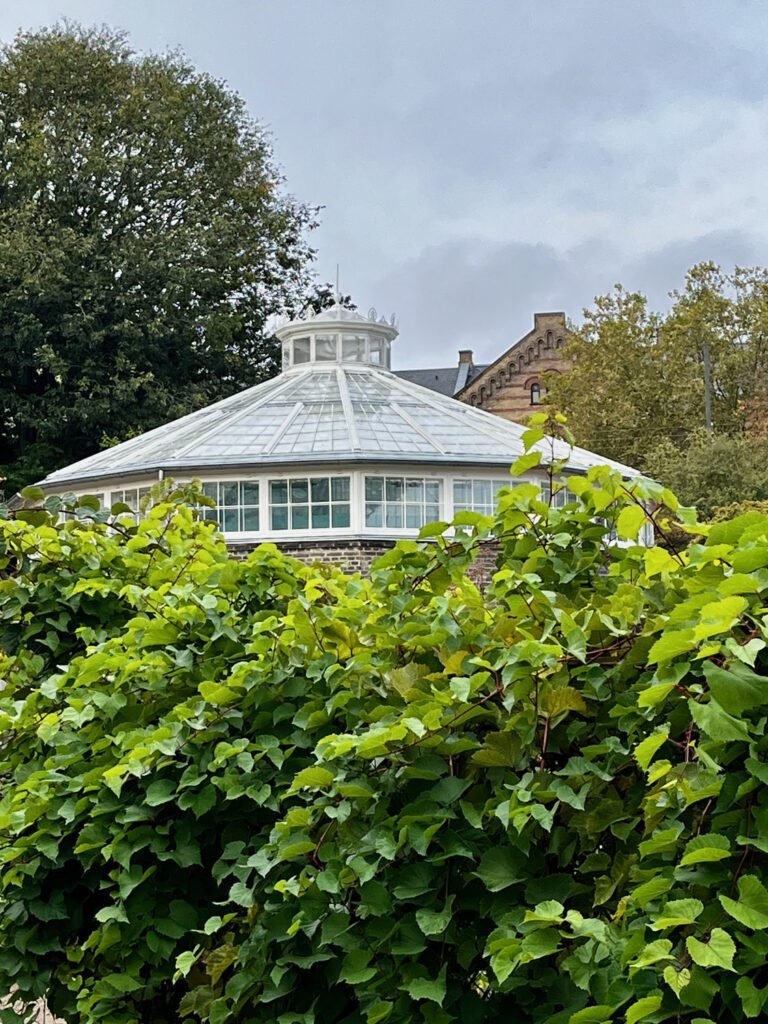
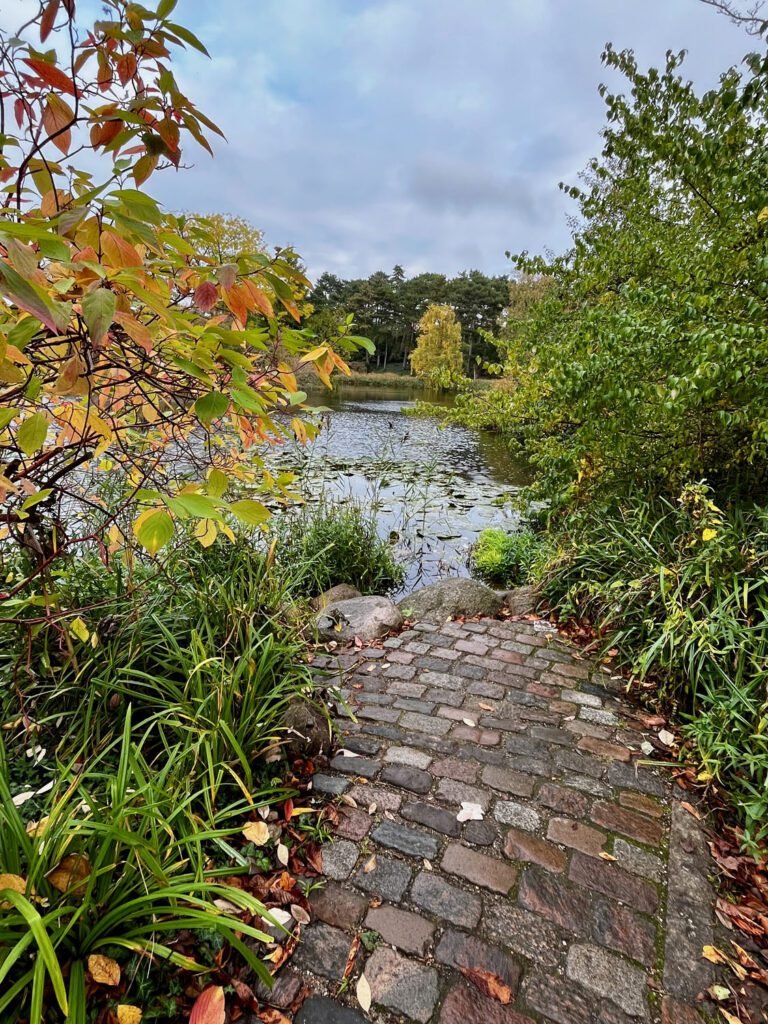
The grand 19th-century Palm House was, somewhat unfortunately, wrapped in scaffolding for renovation, but I didn’t let it dampen the experience. Several other glasshouses were still open, including the enchanting Butterfly House.
Lingering in the gardens as the sun dipped lower, I realised that “slow travel” isn’t about seeing fewer things, or trying to cram everything into your day; it’s about listening more closely to your own pace. Eventually, my body won the argument. I headed back to the hotel for a hot shower and the simple luxury of putting my feet up, grateful I’d allowed room in my day for a pause.
Takeaway: The art of the afternoon re-set
- Listen to your body — When you’ve crossed the globe, don’t feel guilty about stopping for a coffee or planning an early night — they both help reset your energy.
- Embrace the “Under Construction” — Don’t let renovations or temporary closures ruin your day; they’re a sign a city is being cared for. Adjust your plans and visit somewhere else instead.
- The Power of Slow — Slow travel isn’t about doing less — it’s about doing what feels right in the moment.
Day 2: Waterways and Wanderlust
I woke up on my second morning with a loose plan in mind. I’d considered heading toward Amalienborg Palace for the midday changing of the guard, but after the magic of the marching band the day before — and knowing I’d experienced similar ceremonies elsewhere — I changed plans.
Copenhagen is such a walkable city that, with a little forethought, you can easily navigate most sights without needing public transport or taxis at all — a true joy for the independent traveller.
A Different View of Copenhagen: A Canal Cruise from Nyhavn
So instead of the palace, I headed toward Nyhavn to hop aboard a canal cruise. This turned out to be a wise decision, as the weather turned rather drizzly later in the day. Claiming a perfect outdoor seat at the front of the boat, the view was fabulous, if a little chilly. I was certainly glad of my coat, beanie, and gloves!
From the water, Copenhagen reveals a different side of itself, gliding past some of Copenhagen’s most famous landmarks:
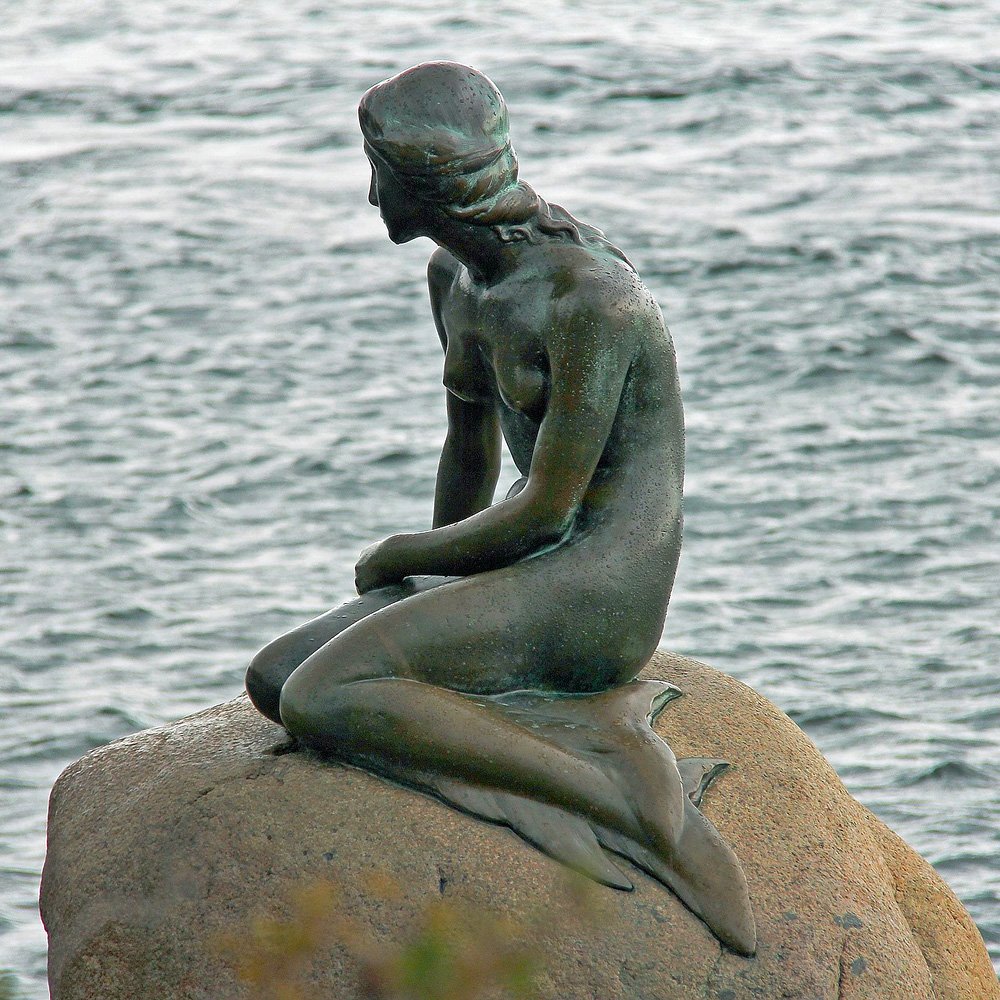
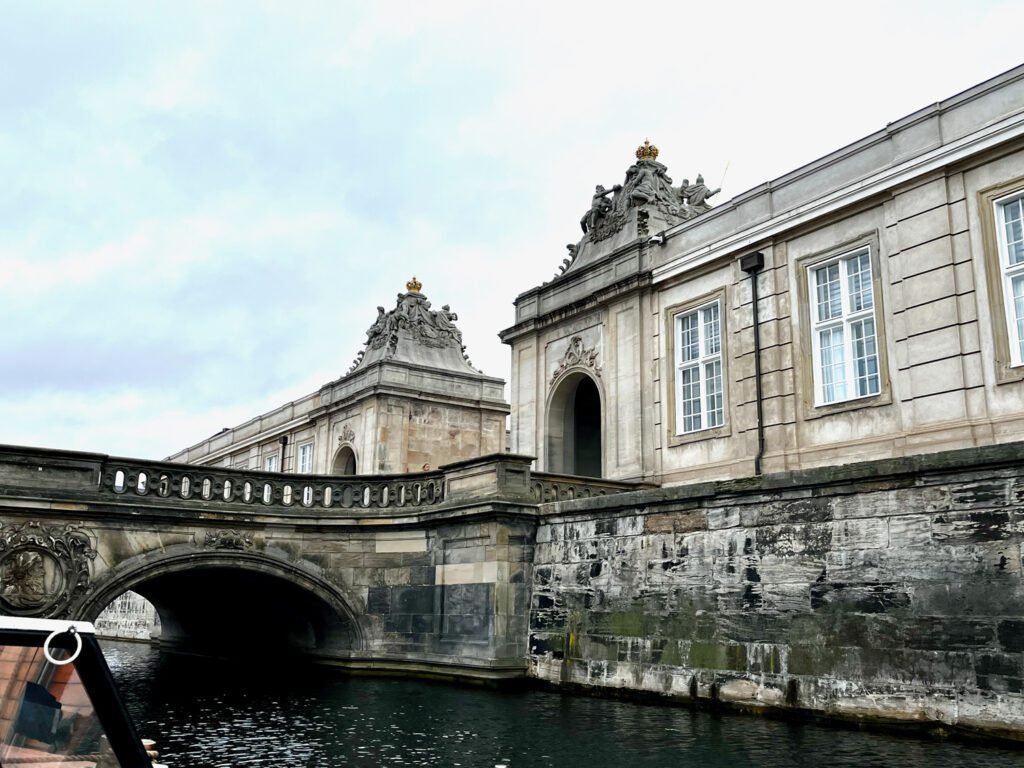
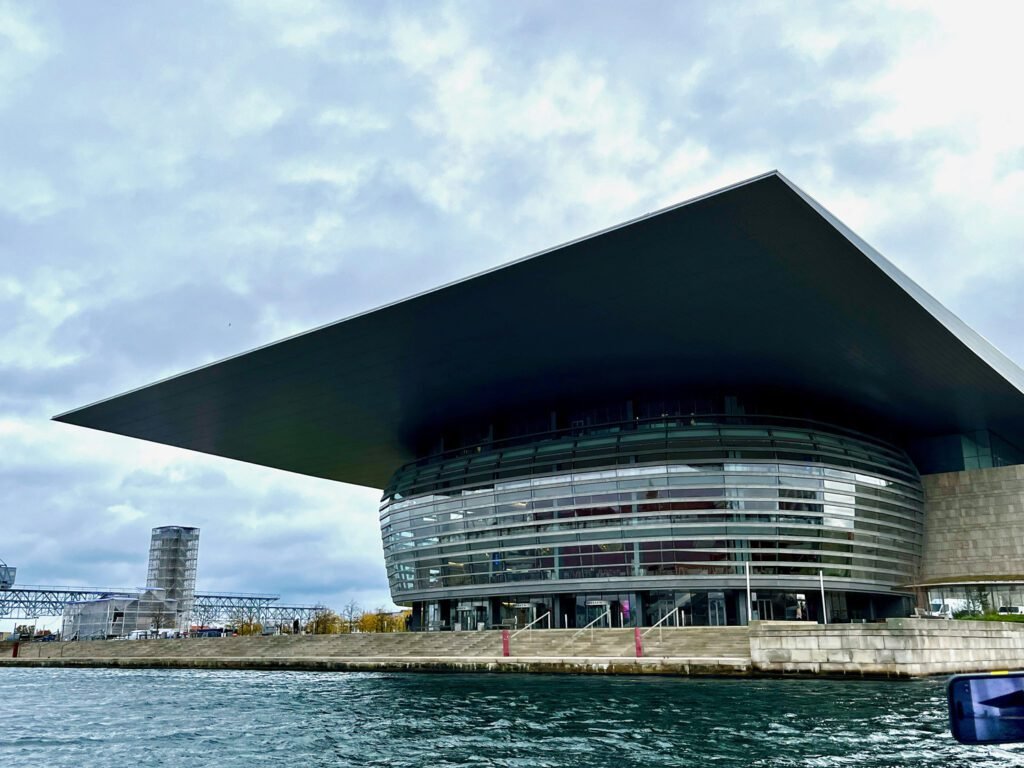
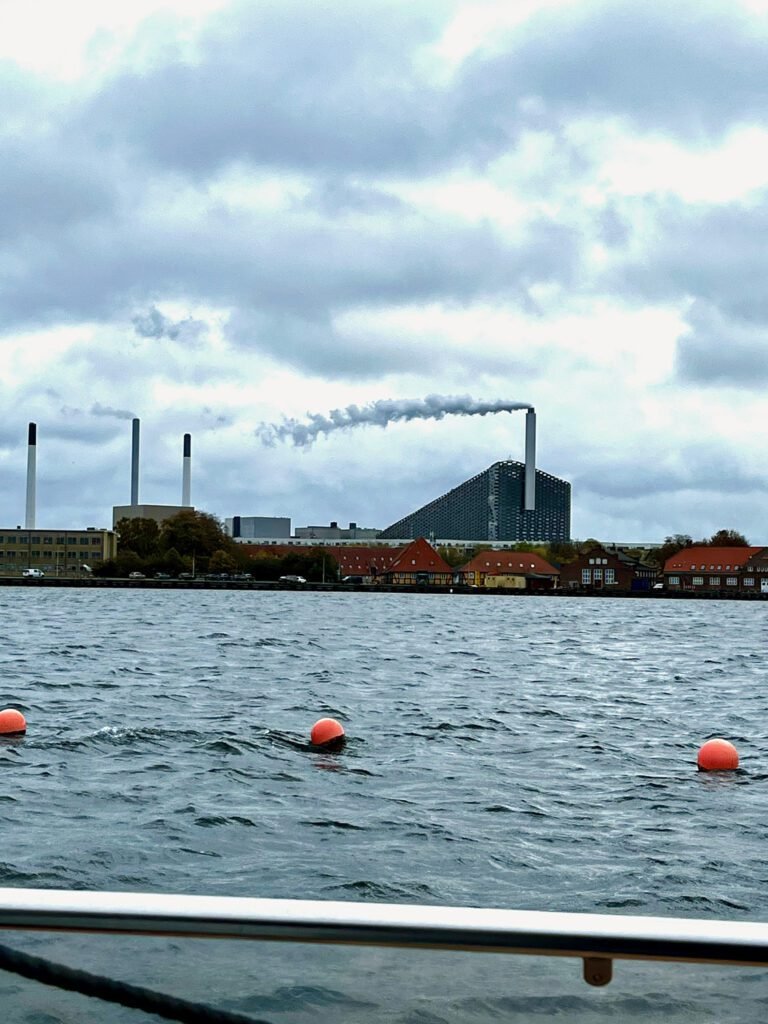
- The Royal Danish Opera House — Clad in German limestone, it’s a spectacular modern structure that looks stunning from the canal.
- CopenHill (Copenhagen Hill) — This fascinating state-of-the-art waste-to-energy recycling plant cleverly doubles as a ski slope, climbing wall, and running track. Locals call it “CopenHill” because they say it’s the only “hill” in Copenhagen.
- The Little Mermaid — This iconic statue — crafted in 1913 by Edvard Eriksen and inspired by Hans Christian Andersen’s famous fairy tale of the same name — sits gracefully on a rock just offshore in the canal. Smaller than most people expect, but undeniably a famous tourist attraction!
- Innovative Contemporary Architecture — Modern and historic buildings sitting side by side offer a unique perspective of how Copenhagen blends the old and the new — including the vast Maersk shipping company headquarters, echoing the shapes of shipping containers and the city’s maritime heritage.
On a practical note: the canal cruise takes you underneath some very low bridges. When the guide tells you not to stand up, take that advice seriously!
Takeaway: Why short group tours are brilliant for solo travellers
- Easy Introductions — Short group tours offer easy orientation to a city without having to plan everything yourself.
- See more with less effort — Especially helpful for short stays or if long walks are not your thing.
- Social without obligation — The communal experience allows you to listen, observe, and enjoy without any pressure to interact.
Tip — Build a mix of guided tours and independent days into your slow travel. This gives you the best of both worlds.
Danish Hotdogs: A “Must Try”
Back on dry land, the smell of bread and sausages immediately drew me toward a nearby pølsevogn — one of Copenhagen’s traditional hot dog stands. I ordered a fully loaded roster hot dog and found a spot by the canal bank to eat it.
A very large European gull landed nearby, feigning casual disinterest, but I wasn’t fooled. It edged closer and closer, snatching every crumb that managed to escape my grasp!
Nyhavn
With lunch finished and my gull adversary finally thwarted, I took a little time to properly explore Nyhavn itself. It’s impossible to ignore — a ribbon of brightly painted 17th-century houses lining the canal, historic wooden ships moored along the quay, and a steady hum of people moving through the space.
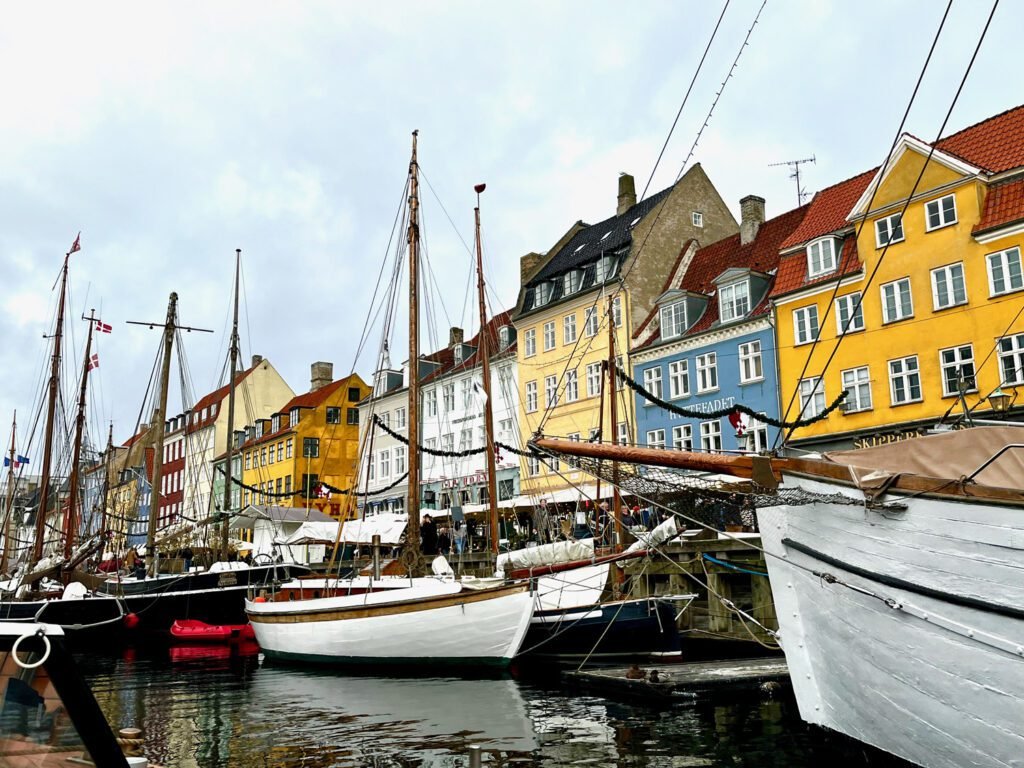
Yes, it’s busy. Yes, it’s photographed endlessly. But once you slow down and look more closely Nyhavn reveals its quieter details: the creak of timber masts, the way the light shifts across the water, the contrast between old façades and modern life unfolding around café tables. It’s easy to see why this stretch of harbour has become one of Copenhagen’s most recognisable images — not because it’s staged, but because it still feels lived in.
For many visitors, Nyhavn is a place to linger — to choose a waterside table, watch the boats glide past, and soak up the energy of the harbour over a long lunch or a drink. Whether you stay for a while or simply wander through, it’s one of those places that rewards being seen at leisure rather than rushed.
Frederick’s Church (Marble Church)
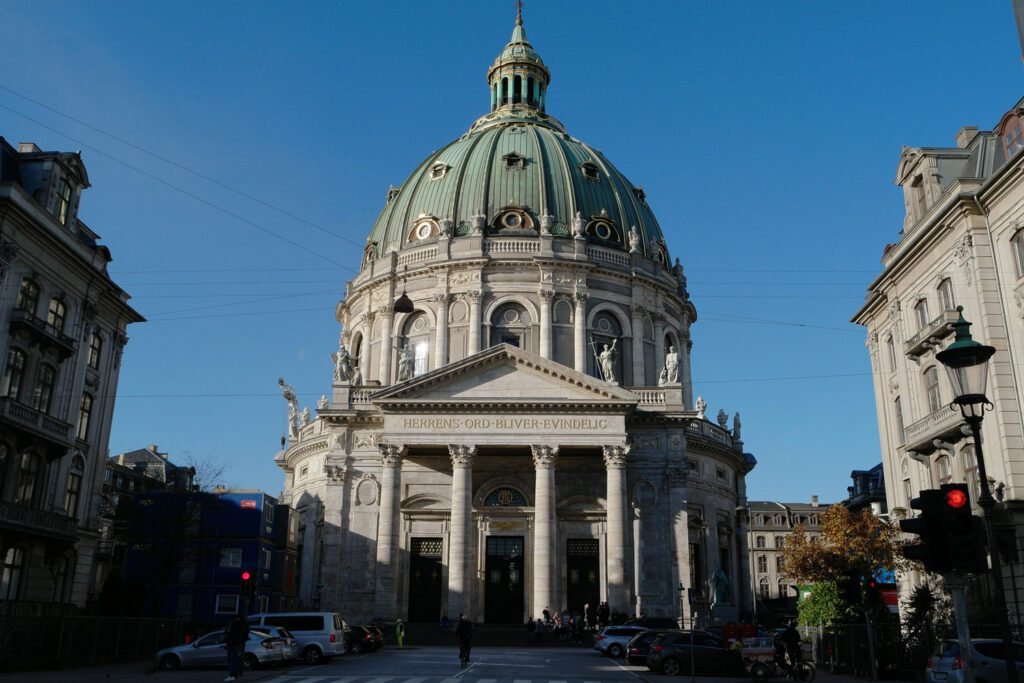
Wanting to move on, I set off towards Frederick’s Church — the Marble Church — its copper dome rising impressively above the Frederiksstaden district. Perfectly aligned with Amalienborg Palace and the Opera House beyond, it’s arguably Copenhagen’s most impressive place of worship. I had to admire the church from outside as a wedding was underway and the public were not allowed inside.
Freetown Christiania
By this time, the afternoon was slipping away. I had intended to stroll across the bridge into Freetown Christiania, Copenhagen’s unique and famous counterculture community, but the weather had other ideas. With the skies darkening and light rain beginning to fall, I decided to leave it for another visit. That said, it’s worth understanding what makes the place so distinctive.
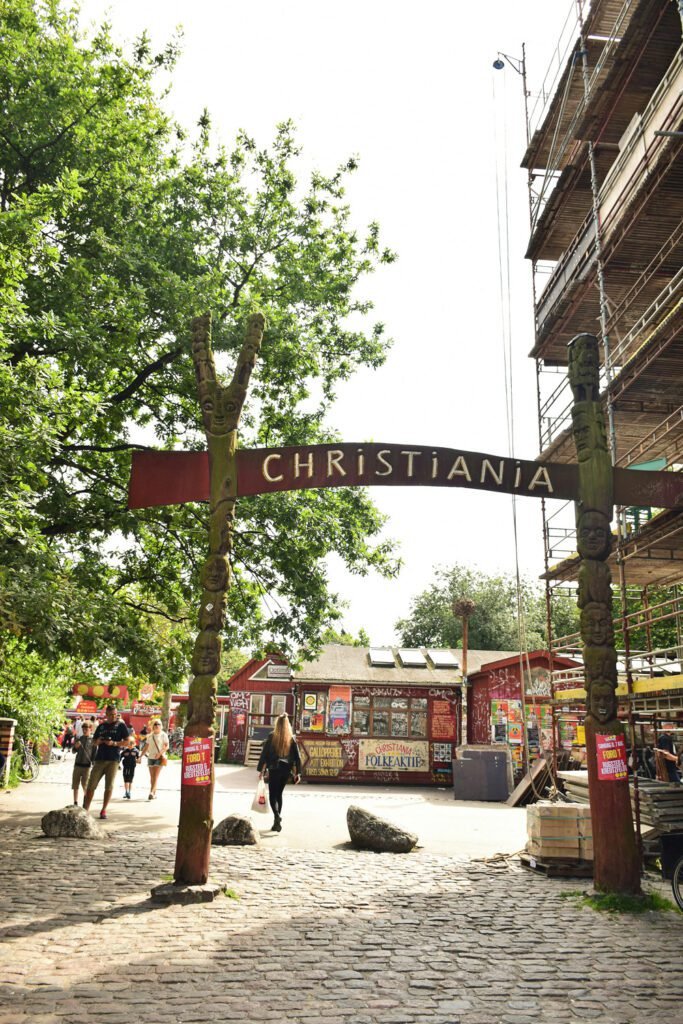
Founded in the early 1970s on a former military site by a group of hippies, Christiania is a self-governing community known for its alternative lifestyle, colourful murals, and long-standing emphasis on collective living and creative freedom. It has its own rules, rhythms, and atmosphere, and for many visitors it offers a striking contrast to the order and polish found elsewhere in the city. Whether you’re drawn by curiosity, history, or counterculture, it remains on of Copenhagen’s most unique spaces.
Tip: Be respectful if you want to take photos inside Freetown Christiania. Although it is now permitted in most areas, be discreet and ask permission before photographing residents or their homes.
As the sun began to set on my last day in Copenhagen, I realised that while my trip had been shortened by necessity, it hadn’t been diminished. Copenhagen is a city that rewards flexibility. By accepting the need to modify my original three-day plan, I had found room for the spontaneous and unplanned.
My 48 hours in Copenhagen was coming to a close, and the next chapter — the train north-west to Hirtshals and the ferry bound for the Faroe Islands — were waiting. It was time for the next stage of my Nordic adventure!
Takeaway: Flexibility is your best travel companion
- Pølsevogn perfection — The humble hotdog is a delicious, inexpensive, and authentically Danish lunch or snack option that beats a boring sandwich any day.
- Don’t be afraid to reroute — Weather, energy, and mood matter — plans can change without ruining your day.
- Balance discovery with logistics — Ending the final day by preparing for the next part of your journey (packing, planning, resting) makes onward travel far more relaxed.
Planning Your Own Short Stay in Copenhagen
One of the reasons I enjoy writing about travel after returning home is that distance brings clarity. Once the impressions have settled, it becomes easier to see what actually worked well — what made the days flow, what reduced travel fatigue, and what I’d happily repeat next time.
What follows is a reflection of some of the things I learned during my time there.
If you’re interested in accessing my full short-stay Copenhagen itinerary, you’ll find it here.
Getting Around Copenhagen: A Most Walkable City
One of the great pleasures of Copenhagen is how easy it is to move around. From the outset, the city feels intuitive rather than demanding — a quality to be valued when travelling solo..
What worked for me:
- Walking almost everywhere: Most of the central sights are close together, and walking gives you a real feel for the city, and time to explore at leisure.
- Metro trains and buses, and DSB trains for longer distances: Clean, efficient, and easy to navigate, even on a first visit.
- English spoken almost everywhere: This removes any hesitation about asking for help or clarifying directions.
- Clear signage and kindness: If you do need assistance, I think you’ll find it is offered calmly and without fuss.
Planning Tip: If you’re short on time, or simply want to make your days easier, cluster the sights you want to visit by area and walk between them. You’ll see far more — and feel less rushed — than if you try to crisscross the city.
Planning your own Nordic adventure? Don’t forget to look into the new EES and ETIAS digital entry rules for Europe, rolling out across 2026. To make it easy, I’ve written a comprehensive guide on EES and ETIAS for travellers to Europe in 2026.
Is Copenhagen Safe for Solo Women Travellers?
In a word: yes. I felt completely comfortable walking alone during the day and after dark, exploring on foot and using public transport. Copenhagen has a calm, orderly feel, and there was never a moment when I felt uneasy or out of place.
Danes struck me as genuinely kind — helpful when needed, but never intrusive. It’s the sort of environment where independence feels natural rather than brave.
Best Time to Visit Copenhagen
- Sumer: June and July offer long, sunny days, outdoor activities, long daylight hours, and festivals.
- Spring and Autumn: The shoulder seasons (April/May and September/October) offer fewer crowds, good weather, longer daylight hours, and lower prices than peak summer.
- Winter: December to February is ideal for experiencing Christmas markets, cosy winter vibes, and offers great value for budget travellers.
Where to Stay in Copenhagen (and Why Location Matters)
For a short stay — especially if you’re travelling solo — location matters far more than the hotel itself. With only a few days in Copenhagen, the goal is to make things easy for yourself: less time commuting, fewer transport decisions, easy access to dining options, and more energy for exploring.
I chose to stay in a hotel right by Copenhagen Central Station, and for a short stay, it worked extremely well. Arrival from the airport was simple, it allowed me to walk almost everywhere, and was ideal for my onward train journey. That said, Copenhagen offers several neighbourhoods that suit different travel styles and priorities.
Neighbourhoods to Consider
- Near Copenhagen Central Station — Practical, well-connected, and ideal for first-time visitors, short stays, or onward travel by train or air.
- Indre By (Old Town) — Perfect if you want to walk almost everywhere and be close to major sights, cafés, and waterfront areas.
- Vesterbro — Lively and creative, with a strong food scene and easy access to the city centre.
- Nørrebro — More local and diverse, with a slightly edgier feel and good public transport links.
- Østerbro — Calm, residential, and well-suited to travellers who prefer quieter streets and a slower pace.
What I prioritise when choosing accommodation
Rather than focusing on specific properties, I find it more usefully to think in terms of how a place will support the way I travel. For Copenhagen, that meant:
- Easy walking access to key areas
- Close proximity to public transport
- A neighbourhood that feels comfortable to navigate alone
- Somewhere that supports early nights or slow mornings when needed
- Reliable, fast WiFi
If you’re planning your own stay, using these criteria will help narrow your choices quickly — regardless of budget or accommodation style.
Transport In and Around Copenhagen
One of the things that makes Copenhagen such a pleasure is how straightforward public transport feels from the moment you arrive — especially after a long-haul flight.
From Copenhagen Airport to the City Centre
Copenhagen Airport is exceptionally well connected to the city centre. Trains run frequently (every 10-20 minutes) and the journey to Copenhagen Central Station takes around 15 minutes. It’s quick, reliable, and far less expensive than a taxi.
Clear signage, ticket machines in English, and step-free access means there is no second-guessing. For a solo traveller arriving tired and jet-lagged, that makes things easy.
For more information and transport options from the airport, visit the official site.
Getting Around the City
Within Copenhagen itself, transport is refreshingly uncomplicated:
- Walking will cover everything you want to see over tw0-three days. The city centre is compact, flat, and designed for people rather than cars. If you need to limit the amount of walking, buses and taxis are always available.
- Metro and regional trains are there when you need them — clean, punctual, and easy to navigate, even on a first visit. Download the Rejsebillet App (metro trains and busesl) and the DSB app (regional and long-distance trains) if you’re planning to use the trains frequently.
- Buses are a good option for getting around the city. Find out more about buses, other forms of public transport, and ticket types here.
- Taxis are readily available, however, keep in mind that they are expensive.
If you’re staying centrally, it’s entirely possible to structure your days so that walking is the default and public transport is simply a backup.
Tickets and Passes
For short stays, individual tickets work perfectly. However, if you plan to use public transport frequently, the Copenhagen Card Discover is ideal for tourists. It includes unlimited travel across the city and entry to 80+ museums. Alternatively, choose the City Pass if you want transport without the museum entries.
Day Tours in Copenhagen
Although Copenhagen is wonderfully walkable, seeing the city from the water gave me a completely different perspective. The classic canal tour from Nyhavn is an easy and relaxing way to understand the layout of the harbour, and see historic buildings and modern architecture — especially if you’re short on time (or your feet need a rest!).
When I’m visiting a city or country, I often use small group tours (day and half-day) to access places that might be difficult to get to on my own, learn more about a place, or enjoy a more social experience (e.g. group bike rides or boat tours).
If you enjoy guided experiences yes, there are many excellent small-group historical tours, food tours and day trips to nearby castles and coastal towns. You can browse current Copenhagen tour options here.
Budget-Friendly Copenhagen: Practical Ways to Spend Less
Copenhagen — indeed, most Nordic and Scandinavian countries — has a reputation for being expensive. And while it is not a budget destination, it’s also not difficult to keep costs under control with a little attention.
- Eat smart rather than often: Food markets, bakeries, cafés, and street food offer excellent quality at far lower prices than restaurants. One good meal a day if often enough. If your hotel includes breakfast, enjoy a hearty start to the day before heading out.
- Make lunch your main meal: Many cafés and casual restaurants offer the same food at lower prices during the day. Major train stations often have surprisingly good food options.
- Walk as much as possible: Copenhagen is ideal for walking — it costs nothing and you’ll experience more.
- Choose experiences over attractions: Wandering through neighbourhoods, gardens, and waterfronts can be just as — or more — satisfying than an endless stream of ticketed highlights.
- Book key activities and longer-distance transport in advance: Canal cruises and other day tours are sometimes slightly cheaper when booked online in advance.
Tip: Solo dining made easy — If you ever feel self-conscious dining alone, markets, food courts, and street food are your best friends. They are bustling, social (without obligations), and perfectly designed for a party of one!
A little planning goes a long way. By spending thoughtfully rather than being too frugal or stingy, you can enjoy Copenhagen comfortably without feeling restricted.
A Practical Itinerary for a Short Stay in Copenhagen [Downloadable PDF]
If you find yourself with a tight window in this incredible city, don’t panic. Whether you have 48 hours like I did, or the luxury of three (or more) days, the key is having a solid foundation to build from.
I’ve taken everything I learned — both the plans I kept and the secrets I discovered — and poured them into a comprehensive guide.
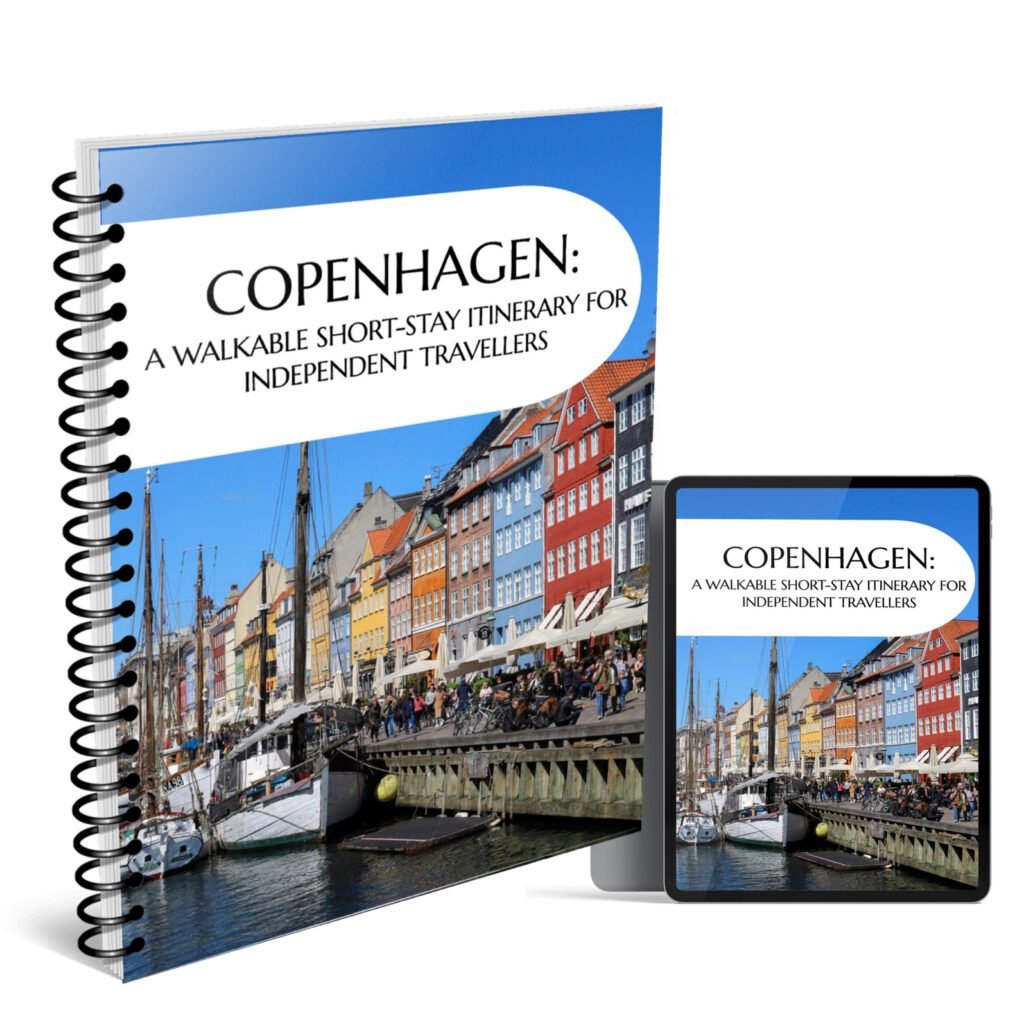
Copenhagen: A Walkable Short-Stay Itinerary for Independent Travellers offers a flexible, three-day itinerary designed to help you enjoy the best Copenhagen has to offer.
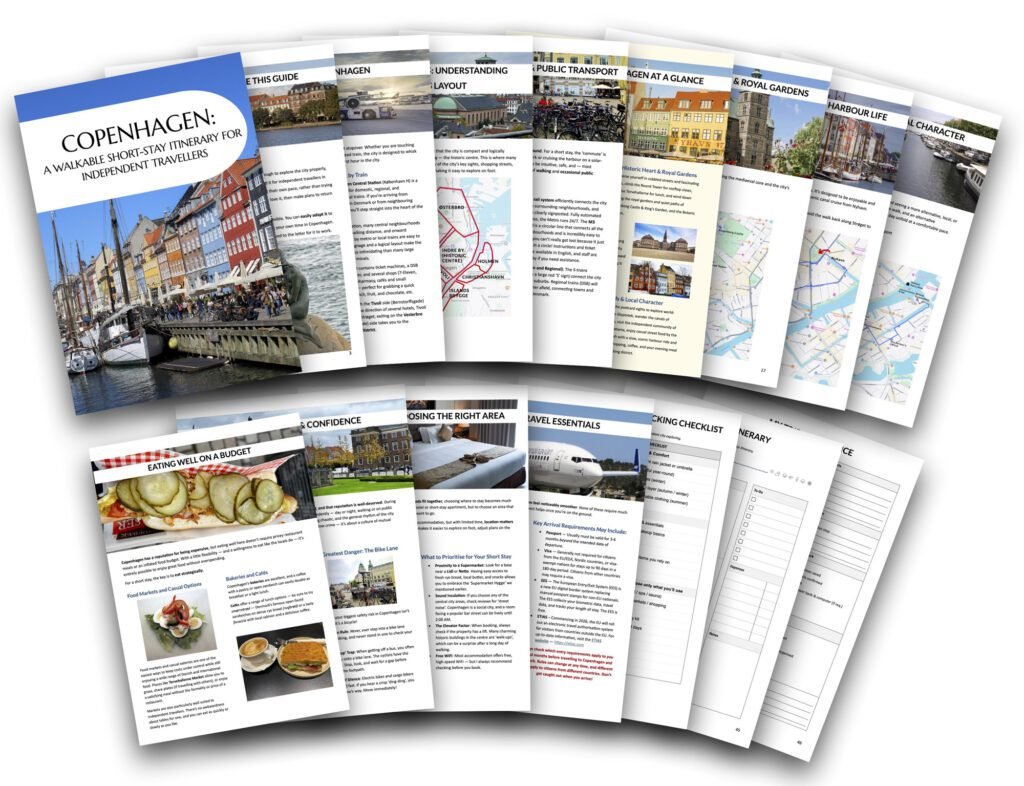
This downloadable PDF guide covers everything you need to know to plan your own short-stay in Copenhagen:
- A detailed, three-day, walkable itinerary that you can also adapt to your needs.
- Suggested walking routes and maps for each day.
- An overview of Copenhagen’s layout and neighbourhoods to help you choose where to stay.
- Tips on getting around (public transport and on foot), eating well on a budget, and other practical essentials.
- I also include Bonus Pages with a packing checklist, daily itinerary pages, and more.
Copenhagen may be small, but its heart is huge. Whether you’re on a solo quest or a quick city break, let this city’s hygge carry you along. Just remember: sometimes the best part of the plan is the part you change!
Leave a Reply